17+ Years of Personalized Eye, Nose & Lifting Plastic Surgery in Gangnam, Seoul

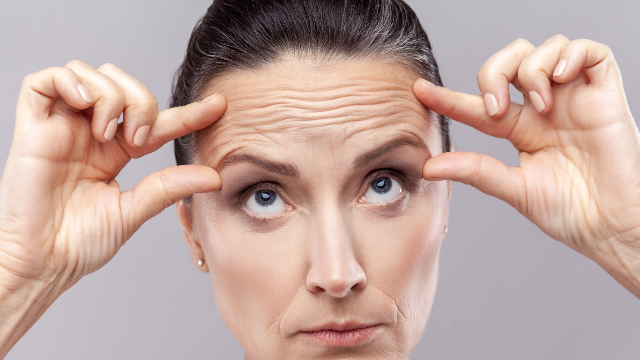
Medical Guide
Brow Ptosis Correction: When It's the Brow, Not Eyelid
Brow ptosis correction lifts a descended eyebrow when hooding isn't caused by eyelid skin alone. Learn how a forehead lift works, its risks, and recovery.
Schedule a ConsultationBrow Ptosis Correction: When Hooding Comes From the Brow, Not the Eyelid
Medically reviewed by Dr. Kiweon Ham, Board-Certified Plastic Surgeon in South Korea, Chief Director, Gonggan Plastic Surgery
Many people who feel their eyes look tired, heavy, or hooded assume the problem is loose upper-eyelid skin. Sometimes it is. But in a meaningful number of cases, the upper eyelid looks crowded because the entire eyebrow has drifted downward over the years, pressing skin and soft tissue down toward the lashes. When that happens, removing eyelid skin alone may not solve the problem, and in some patients it can even make the brow sit lower. Understanding whether the true source of hooding is the eyelid or the brow is one of the most important steps in planning eyelid and periorbital surgery.
This article explains what brow ptosis (a descended eyebrow) is, how surgeons distinguish it from excess upper-eyelid skin, and what surgical options, including an endoscopic forehead lift, may be considered. It is written for general education. Every face ages differently, and the only way to know what is driving your specific concern is an in-person evaluation with a qualified surgeon.
Understanding Brow Ptosis
What Brow Ptosis Means
Brow ptosis is the descent of the eyebrow from its normal anatomical position to a level that begins to cause a cosmetic or functional concern. In many people the change is gradual and asymmetric, so one brow may sit lower than the other. As the brow drops, the skin and soft tissue it supports are pushed downward, which can make the upper eyelid appear fuller, heavier, or more hooded than it actually is.
The reasons a brow descends are largely related to aging and anatomy. Over time, the tissues that hold the brow in position weaken, the projection of the bony rim above the eye can diminish, and the fat pads in and around the orbit tend to descend. The outer (lateral) part of the eyebrow is particularly prone to sagging because it extends beyond the muscle that lifts the forehead, so it has less active support. A descended brow can also follow weakness or injury of the nerve that drives the forehead-lifting muscle, though age-related change is the most common cause.
Brow Descent Versus Excess Eyelid Skin
This is the central distinction. In upper-eyelid aging, the problem is skin, and sometimes muscle or fat, that has become excess directly at the level of the eyelid. The classic surgical answer is an upper blepharoplasty, which removes that excess through an incision hidden in the natural eyelid crease.
In brow ptosis, the eyelid skin may be relatively normal, but it appears crowded because the brow above it has fallen. Here, lifting the eyebrow back toward a more natural position addresses the true source of the heaviness. The two conditions frequently coexist: a person may have both a somewhat descended brow and genuine excess eyelid skin. That overlap is exactly why a careful assessment matters, and why the same-looking "hooded eyes" can call for very different plans in different people.
Why the Distinction Matters
The Risk of Treating the Wrong Layer
When hooding is driven mainly by a descended brow but is treated only with eyelid-skin removal, a few problems can follow. Removing eyelid skin can subtly tether the brow and encourage it to sit even lower, worsening rather than relieving the heaviness. It can also produce a result that looks incomplete, because the underlying brow position, the real driver, was never addressed. Conversely, lifting the brow when the actual excess is at the eyelid may leave residual hooding. Matching the procedure to the anatomy is what allows the plan to look balanced.
How a Surgeon Assesses Brow Position
A thorough evaluation looks at the resting position of each eyebrow relative to the bony rim, the symmetry between the two sides, the amount and quality of forehead and eyelid skin, and how the brow moves when the forehead muscles are relaxed versus active. Many people unconsciously lift their brows with their forehead muscles to clear their field of vision, which can mask true brow descent; a surgeon will often ask you to relax the forehead completely to see the resting position. The hairline height, forehead length, and any prior surgery are also considered, because these influence which lifting approach is appropriate. During a consultation at Gonggan Plastic Surgery, this kind of individualized assessment is used to decide whether the eyelid, the brow, or both should be addressed.
Surgical Options for Brow Ptosis
There is no single procedure that suits everyone. A brow lift, also called a forehead lift, raises the position of the eyebrows and can soften some forehead and frown lines. Several techniques exist, and they differ mainly in where the incisions are placed and how the forehead tissues are reached and repositioned.
Endoscopic Forehead Lift
An endoscopic forehead lift is a documented option offered at the clinic and is a widely used, minimal-incision approach. Rather than one long incision, the surgeon makes several short incisions hidden behind the hairline. A small camera (endoscope) is passed through one of these to let the surgeon see and work in the space beneath the forehead, releasing and repositioning the tissues so the brow is elevated to a more natural resting height. Because the incisions are short and concealed in hair-bearing scalp, many patients find the visible scarring limited. Whether an endoscopic technique is suitable depends on individual anatomy, including forehead length and hairline position.
Other Brow-Lifting Approaches
Other techniques are used depending on anatomy and goals. A coronal approach uses a longer incision running across the top of the scalp within the hair, allowing broad access to the forehead tissues. A temporal or lateral approach uses shorter incisions near the temple hairline and is often aimed at the outer part of the brow, which is where many people notice sagging first. A direct or pretrichial approach places the incision at or just in front of the hairline in selected cases. Each option involves trade-offs in incision length, scar location, and how much of the brow can be elevated, and the choice is individualized.
Combining a Brow Lift With Eyelid Surgery
Because brow descent and excess eyelid skin often occur together, a brow lift is sometimes planned alongside an upper blepharoplasty. When both are present, addressing the brow first (or at the same time) helps a surgeon judge how much eyelid skin, if any, truly needs to be removed. Lifting the brow can reduce the apparent excess at the eyelid, so removing skin before the brow is repositioned risks taking away tissue that is actually needed. A combined plan, when appropriate, is decided during the evaluation rather than assumed in advance.
What Recovery Generally Involves
Recovery varies with the technique used, the extent of surgery, and individual healing. In general, patients can expect some swelling and bruising of the forehead and around the eyes in the first days to weeks, and the brow position may look higher than the eventual result at first as swelling settles. Numbness or altered sensation across the forehead and scalp is common early on and usually improves over time, though it can take weeks to months. Sutures or fixation devices are managed according to the surgeon's protocol. Many people return to routine, non-strenuous activity within a couple of weeks, but strenuous exercise and other activities are resumed only when the surgical team advises. Specific timelines, medications, and aftercare instructions are individual and should come directly from your own surgeon rather than from general articles.
Risks and Limitations
A brow lift is a genuine surgical procedure and carries real risks that should be discussed frankly before any decision. General surgical risks include bleeding, collection of blood under the tissues (hematoma), infection, and reactions related to anesthesia. Procedure-specific risks that are especially relevant to the forehead and brow include:
Nerve-related changes. The nerves that supply sensation to the forehead and scalp and the nerve branch that drives forehead motion can be affected. This may cause temporary or, less commonly, longer-lasting numbness, itching, or weakness of forehead movement.
Asymmetry. The two brows may not sit at exactly the same height after surgery, sometimes reflecting pre-existing asymmetry that is difficult to fully correct.
Hairline and scar changes. Depending on the technique, the hairline position can shift, and scars, though usually concealed, can widen, become visible, or in some patients be associated with areas of hair thinning near incisions.
Over- or under-correction. The brow may end up higher or lower than intended, occasionally producing a surprised look or leaving residual heaviness, which can require revision.
Recurrence over time. A brow lift does not stop aging. The brow can descend again in the years that follow, and results are not permanent.
Results vary from person to person, and no ethical surgeon can guarantee a specific outcome. A candid discussion of these risks, and of the realistic limits of what surgery can achieve for your particular anatomy, is part of responsible planning.
Who May Be a Candidate
Brow ptosis correction is generally considered for people whose upper-face heaviness or hooding is driven substantially by a descended brow rather than by eyelid skin alone, who are in reasonable general health, who do not smoke or are willing to stop as advised, and who have realistic expectations about what the surgery can and cannot do. Certain medical conditions, medications, and prior surgery can affect suitability and healing. The only reliable way to learn whether you are a candidate, and which technique fits your anatomy, is a professional, in-person evaluation. You can learn more about the surgeon's background and training on the profile page for Dr. Kiweon Ham.
Frequently Asked Questions
How do I know if my hooded eyes are from my brow or my eyelid?
You usually cannot know for certain on your own, because a descended brow and excess eyelid skin can look similar and often coexist. A surgeon assesses the resting position of your brows, how they move when your forehead is relaxed, and the amount of eyelid skin, to identify the true source. This distinction directly shapes whether a brow lift, eyelid surgery, or both is appropriate.
Is a brow lift the same as a forehead lift?
The terms are used interchangeably. Both describe surgery that repositions the tissues of the forehead and brow to raise the eyebrows and can soften some forehead lines. The specific technique, such as an endoscopic approach, is chosen based on your anatomy and goals.
Will a brow lift remove my forehead wrinkles?
A brow lift can soften some forehead and frown lines by repositioning and releasing forehead tissues, but it is not primarily a wrinkle-removal procedure and does not erase all lines. The main goal is to restore a more natural brow position. What it can realistically achieve for your skin should be discussed during an evaluation.
Can a brow lift and eyelid surgery be done together?
They can be, and they are sometimes planned together when both a descended brow and excess eyelid skin are present. Addressing the brow can change how much eyelid skin actually needs to be removed, which is why the sequence and combination are decided individually. Whether combining procedures is right for you depends on your anatomy and health.
Are the results of a brow lift permanent?
No. A brow lift can produce a lasting improvement, but it does not stop the aging process, and the brow can descend again over the years. Results vary from person to person, and no specific longevity can be guaranteed.
What are the most important risks to understand?
Key risks include nerve-related changes affecting forehead sensation or movement, brow asymmetry, hairline or scar changes, over- or under-correction, and the general surgical risks of bleeding, hematoma, infection, and anesthesia. These should be reviewed in detail with your surgeon before making any decision.
How long does recovery usually take?
Recovery differs by technique and individual, but swelling and bruising around the forehead and eyes are common in the first weeks, and numbness of the forehead and scalp may take longer to resolve. Many people return to light activity within a couple of weeks, resuming strenuous activity only when cleared. Your surgeon will provide timelines specific to your case.
The Bottom Line
Hooded, tired-looking eyes are not always caused by excess eyelid skin; a descended eyebrow (brow ptosis) is a common and frequently overlooked contributor.
Distinguishing brow descent from eyelid-skin excess is essential, because treating the wrong layer can leave residual heaviness or even lower the brow further.
A brow lift, including a minimal-incision endoscopic forehead lift, is a documented option, and it is sometimes combined with eyelid surgery when both problems are present.
Realistic risks include nerve-related changes, asymmetry, hairline or scar changes, over- or under-correction, and recurrence over time; results vary and cannot be guaranteed.
Only an individualized, in-person evaluation can determine whether your concern comes from the brow, the eyelid, or both, and which approach fits your anatomy.
This article is for general education only. It reflects widely accepted medical information and is not a substitute for professional medical advice, diagnosis, or treatment. Surgical results vary from person to person, and the risks, techniques, and recovery described here may differ from your situation. It is not a self-diagnosis tool. Always consult a qualified, board-certified surgeon about your individual anatomy, health, and goals before making any decision, and rely on your own surgeon's guidance over any general resource.
More Articles
Continue reading our clinical guides.

Guide to Nose Surgery: Procedure Basics Explained
Guide to nose surgery: Discover procedure basics, preparation, recovery, and expected results. Learn what to expect and explore your options today.
Learn More

What to Know Before Eye Surgery
What to know before eye surgery: Learn about preparation, risks, recovery, and what to expect for a safer, more confident procedure. Read more today.
Learn More
Revision Rhinoplasty in South Korea: US Patient Guide
A practical guide to revision rhinoplasty in South Korea for US patients: why second nose surgery is more complex, cartilage graft realities, and risks.
Learn More