17+ Years of Personalized Eye, Nose & Lifting Plastic Surgery in Gangnam, Seoul

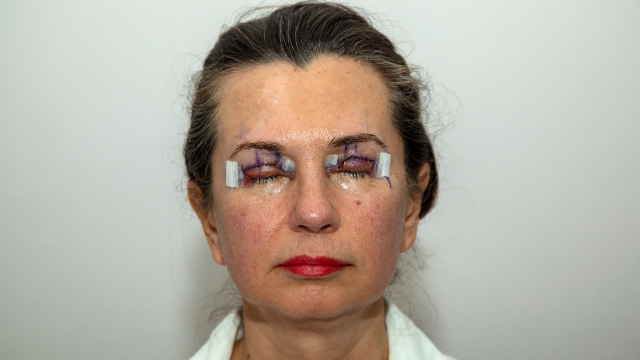
Medical Guide
Epicanthoplasty vs. Double Eyelid Surgery: A Comparison
Epicanthoplasty widens the eye's inner corner while double eyelid surgery creates a crease. Compare goals, scarring, recovery, and how they are combined.
Schedule a ConsultationEpicanthoplasty vs. Double Eyelid Surgery: What Each One Changes
Medically reviewed by Dr. Kiweon Ham, Board-Certified Plastic Surgeon in South Korea, Chief Director, Gonggan Plastic Surgery
Epicanthoplasty and double eyelid surgery are two of the most frequently discussed eye procedures, and they are easy to confuse because they are often mentioned in the same breath and sometimes performed at the same time. Yet they solve very different problems. One reshapes the inner corner of the eye; the other creates or defines a crease in the upper lid. Understanding the distinction matters, because choosing between them, or choosing to combine them, changes what your eyes will look like, how you heal, and what kind of scarring you should realistically expect.
This guide explains what each operation actually does, why surgeons frequently plan them together, and where the honest trade-offs lie. It is written to help you have a more informed conversation with a qualified surgeon, not to replace that conversation. Every set of eyes is different, and the right plan depends on your individual anatomy, your goals, and a careful in-person assessment. To learn more about the surgical eye procedures offered at Gonggan Plastic Surgery, you can visit the clinic's main website.
The Short Version: Two Procedures, Two Goals
The simplest way to keep these apart is to focus on which part of the eye each one addresses.
Epicanthoplasty targets the inner corner of the eye. Many people have a small fold of skin, called the medial epicanthal fold, that partly covers the inner corner near the nose. Epicanthoplasty adjusts or releases that fold to expose more of the inner corner, which can make the eye appear slightly wider or longer horizontally.
Double eyelid surgery targets the upper eyelid crease . Some people do not have a visible fold, or crease, above the lash line, or the fold is faint, uneven, or partially hidden. Double eyelid surgery creates or defines a supratarsal crease so that a fold appears when the eye is open.
In other words, epicanthoplasty works on the horizontal dimension at the corner, while double eyelid surgery works on the vertical relationship between the crease and the lash line. Because they act on different structures, one procedure does not substitute for the other. If your goal is a defined crease, epicanthoplasty alone will not deliver it, and if your goal is a more open inner corner, a crease procedure alone will not achieve that.
What Epicanthoplasty Actually Does
Epicanthoplasty is a surgical procedure that reshapes the skin at the medial (inner) corner of the eye. In people with a prominent epicanthal fold, that fold can make the eyes look more closely set or can shorten the visible width of the eye opening. By repositioning or partially releasing the fold, the surgeon can expose more of the pink inner corner and lengthen the horizontal appearance of the eye.
There are several techniques for doing this, and they differ in how the small incisions are designed and where the resulting scar sits. Some historical approaches were associated with a high rate of visible scarring, which is one reason technique selection and surgeon experience matter so much. Contemporary methods are designed to redistribute skin and hide incision lines within natural contours as much as possible, but no incision on the skin heals invisibly, and the inner-corner area can be less forgiving than the upper-lid crease.
Because epicanthoplasty changes a defining feature of the eye, small differences in how much fold is released produce meaningful differences in the final look. A conservative release preserves a softer, more natural inner corner; a more aggressive release opens the corner more but carries a higher chance of visible scarring or an over-opened appearance. This is a highly individualized decision that should be made with a surgeon who examines your fold, your skin, and the shape of your eyes in person.
What Double Eyelid Surgery Actually Does
Double eyelid surgery, sometimes described as a form of blepharoplasty focused on crease creation, establishes or refines the fold in the upper eyelid. The fold forms because connections between the skin and the underlying levator mechanism cause the skin to tuck when the eye opens. When those connections are weak, absent, or set very low, the eyelid can look full or heavy and no crease appears.
Surgeons generally use one of two broad strategies. Non-incisional, or suture, techniques create the fold using stitches placed through small openings, without removing a strip of skin. Incisional techniques use a full incision along the planned crease, which allows the surgeon to remove excess skin, adjust fat, and set a more durable fold. The choice depends on eyelid thickness, skin redundancy, the amount of fat, and how permanent and defined you want the result to be. Incisional methods tend to be more durable and better suited to thicker or heavier lids, while suture methods involve less initial swelling but may be less lasting.
Double eyelid surgery is cosmetic in most cases, but it overlaps with functional eyelid surgery when excess upper-lid skin is present. When drooping skin or an eyelid position problem is involved, the plan may extend beyond crease creation, which is a separate conversation from the aesthetic goal of defining a fold.
Key Differences at a Glance
| Feature | Epicanthoplasty | Double Eyelid Surgery |
|---|---|---|
| Area addressed | Inner corner (medial epicanthal fold) | Upper eyelid crease |
| Main visual effect | Wider or longer-looking inner corner | Visible fold above the lash line |
| Typical goal | Open the inner corner | Create or define a crease |
| Scar location | Near the inner corner, close to the nose | Along the upper-lid crease |
| Reversibility | Limited; corner is reshaped | Suture methods are more adjustable than incisional |
| Often combined? | Yes, frequently paired | Yes, frequently paired |
The table simplifies a nuanced set of decisions, but it captures the core idea: these are complementary, not interchangeable. If you are unsure which feature is driving the look you want to change, a consultation is the right place to sort that out. You can read more about Dr. Kiweon Ham's background and surgical focus on his doctor profile page.
Why the Two Are Often Combined
Many patients who want a defined crease also have a prominent inner-corner fold, and the two features interact visually. A newly created double-eyelid fold can look different depending on whether the inner corner is open or partly covered. For that reason, surgeons often discuss the two procedures together and, when appropriate, perform them in a single operative session.
Combining them can produce a more harmonious result because the crease and the corner are designed to complement each other rather than being addressed in isolation. It can also mean one recovery period instead of two. However, combining procedures also means combining the risks of both, a longer operation, and a result that depends on more variables. Combination is not automatically better; it is appropriate only when both features genuinely contribute to your concern. A thoughtful surgeon will sometimes recommend doing only one, or staging them, rather than defaulting to both.
The Scarring Reality of Epicanthoplasty
Scarring deserves its own honest discussion, particularly for epicanthoplasty. The inner corner is a small, mobile area close to the nose, and the skin there behaves differently from the thin skin of the upper-lid crease. Some older epicanthoplasty techniques were associated with a meaningful incidence of severe scarring, and this history is precisely why newer approaches emphasize careful incision design and skin redraping to reduce visible marks.
Even with modern techniques, everyone who has skin surgery develops some scar. In most well-healed cases the scar matures and becomes far less noticeable over time, but the process can take many months, and results vary from person to person. Factors such as your skin type, your individual healing tendencies, and how the incision is planned all influence the outcome. A visible or unfavorable scar is one of the more important risks to weigh before choosing epicanthoplasty, and it is a reason to be cautious about aggressive corner-opening. Double eyelid surgery also produces a scar, but it sits within the natural crease and is generally hidden when the eye is open.
Recovery and What Results Look Like Over Time
Both procedures involve an initial period of swelling and bruising, and both change appearance gradually as the tissues settle. Early on, the eyes look swollen and the result is not representative of the final outcome. Sutures are typically removed within about a week for incisional work, and the most obvious swelling subsides over the following weeks, but subtle refinement, especially of a new crease and of scar appearance, continues for months.
It is normal for the crease to look higher, deeper, or more prominent at first and to soften as healing progresses. For epicanthoplasty, the inner corner may look more open initially and relax somewhat as it heals. Because both procedures continue to mature, patience is essential, and it is unwise to judge the outcome in the first weeks. Following your surgeon's aftercare instructions, protecting the eyes, and attending follow-up visits all support a smoother recovery.
Risks and Realistic Expectations
No eye procedure is risk-free, and results cannot be guaranteed. Realistic risks for these operations include:
Asymmetry between the two eyes, since even small differences are visible on the face.
Visible or unfavorable scarring , a particular concern at the inner corner.
Over- or under-correction , such as a crease that is too high or too low, or an inner corner opened more or less than intended.
Infection, bleeding, or delayed healing , as with any surgery.
Dry eye, irritation, or temporary changes in eye closure , especially when skin is adjusted.
The possibility of revision surgery , which is more complex than the original procedure and still cannot promise a perfect result.
Expectations matter as much as technique. These procedures adjust the shape of your own features; they do not transform your eyes into someone else's, and outcomes depend on your starting anatomy. A candid consultation, ideally with before-and-after discussion of what is realistic for your specific eyes, is the best safeguard against disappointment.
Choosing a Surgeon and Planning Your Consultation
Eyelid and inner-corner procedures are technically demanding and unforgiving of small errors, so the surgeon's training and judgment are central to a good outcome. Look for a qualified, board-certified plastic surgeon who performs these procedures regularly, ask to see representative results, and discuss the specific technique proposed for your anatomy and why. Ask directly about scarring, the chance of asymmetry, and what revision would involve if the result is not what you hoped.
A good consultation also clarifies whether you actually need one procedure or both. If you are traveling for surgery, plan for adequate recovery time before flying and confirm the follow-up arrangements in advance, since continuity of care matters during healing. For general information about the clinic, its location in Gangnam, Seoul, and how to arrange a consultation, see the Gonggan Plastic Surgery website.
Frequently Asked Questions
Is epicanthoplasty the same as double eyelid surgery?
No. Epicanthoplasty reshapes the inner corner of the eye by adjusting the medial epicanthal fold, while double eyelid surgery creates or defines a crease in the upper lid. They address different structures and different goals, which is why one cannot substitute for the other. They are, however, frequently performed together.
Can I have both procedures at the same time?
Yes, and many patients do, because the crease and the inner corner interact visually. Combining them can create a more harmonious result and means one recovery period. That said, combining procedures also combines their risks, so it should be done only when both features genuinely contribute to your concern, as determined during your consultation.
Will epicanthoplasty leave a visible scar?
Every skin incision heals with some scar. The inner corner can be less forgiving than the upper-lid crease, and some older techniques were linked to noticeable scarring, which is why technique selection matters. Modern methods aim to minimize and hide the scar, and in many cases it matures to become far less visible over months, but results vary by individual.
How long does recovery take?
Expect visible swelling and bruising in the first one to two weeks, with sutures typically removed within about a week for incisional work. The most obvious swelling settles over several weeks, but a new crease, the inner corner, and scar appearance continue to refine for months. The early appearance does not represent the final result.
Are the results permanent?
Incisional double eyelid surgery and epicanthoplasty are intended to be long-lasting because they reshape tissue, though appearance can still change with aging. Suture-based crease methods are generally less durable and more adjustable than incisional ones. No procedure can be guaranteed to be permanent, and some patients eventually consider revision.
Which procedure do I actually need?
That depends on which feature is driving the look you want to change. If you want a defined fold, double eyelid surgery is the relevant procedure; if you want a more open inner corner, epicanthoplasty is. Often it is a combination, but only an in-person assessment of your anatomy can determine the right plan for you.
The Bottom Line
Epicanthoplasty widens or lengthens the inner corner of the eye, while double eyelid surgery creates or defines the upper-lid crease — different structures, different goals.
The two are often combined because the crease and corner interact visually, but combining them also combines their risks and is appropriate only when both features contribute to your concern.
Scarring is a real consideration , especially for epicanthoplasty at the inner corner, and technique choice and surgeon experience strongly influence the outcome.
Results vary and cannot be guaranteed ; asymmetry, over- or under-correction, and the possibility of a more complex revision are realistic risks.
The best next step is a consultation with a qualified, board-certified plastic surgeon who can assess your anatomy and recommend one procedure, both, or neither.
This article is for general education only. It reflects general information about surgical eye procedures and is not medical advice, a diagnosis, a treatment recommendation, or a substitute for a personal consultation with a qualified physician. Surgical and aesthetic outcomes vary from person to person, and no result can be guaranteed. It is not a self-diagnosis tool. Always seek the advice of a licensed healthcare professional about your specific situation before making any decision about surgery.
More Articles
Continue reading our clinical guides.

Guide to Nose Surgery: Procedure Basics Explained
Guide to nose surgery: Discover procedure basics, preparation, recovery, and expected results. Learn what to expect and explore your options today.
Learn More

What to Know Before Eye Surgery
What to know before eye surgery: Learn about preparation, risks, recovery, and what to expect for a safer, more confident procedure. Read more today.
Learn More
Revision Rhinoplasty in South Korea: US Patient Guide
A practical guide to revision rhinoplasty in South Korea for US patients: why second nose surgery is more complex, cartilage graft realities, and risks.
Learn More