17+ Years of Personalized Eye, Nose & Lifting Plastic Surgery in Gangnam, Seoul

Medical Guide
Language Support at a Seoul Plastic Surgery Clinic
Planning plastic surgery in Seoul? Learn why clear communication matters, the language-support options for patients, and what to confirm with the clinic.
Schedule a ConsultationLanguage Support at a Seoul Plastic Surgery Clinic
Medically reviewed by Dr. Kiweon Ham, Board-Certified Plastic Surgeon in South Korea, Chief Director, Gonggan Plastic Surgery
Traveling to Seoul for plastic surgery means placing a great deal of trust in a care team you may be meeting for the first time. Much of that trust rests on something easy to overlook when you are comparing surgeons and dates: language. Can you fully explain what you want? Can you understand the risks, the recovery, and the instructions you will need to follow at home? For international patients, clear communication is not a convenience. It is a core part of safe surgical care.
This article explains why communication matters so much in medical travel, walks through the common language-support options patients use, and lists the questions to ask before you commit. Because the specific language services offered can differ from clinic to clinic and are not something you should assume, the most important takeaway is simple: confirm directly with the clinic what language support is available for your visit. For Gonggan Plastic Surgery, you can start that conversation through the contact page.
Why Clear Communication Matters in Care Abroad
When you seek care in a country where you do not speak the local language fluently, every step of the process depends on accurate translation of meaning, not just words. You need to describe your goals and your medical history precisely. Your surgeon needs to explain what is realistic, what the procedure involves, and where the limits are. Then you need to absorb detailed aftercare instructions and know exactly what to do if something feels wrong during recovery.
The U.S. Centers for Disease Control and Prevention (CDC) highlights communication as a specific consideration for anyone traveling abroad for medical care. Language and cultural differences can make it harder to share your full history and to understand instructions, which can affect the quality and safety of your care. Misunderstandings around medication, wound care, activity limits, or follow-up timing are not trivial. They can influence how well you heal.
Plastic surgery adds another layer. Cosmetic goals are personal and subjective. A word like "natural," "subtle," or "defined" can mean very different things to different people, and nuance can be lost when it passes through an imperfect translation. Taking communication seriously protects both your safety and your satisfaction with the result. Even so, no communication method removes the normal uncertainty of surgery. Results vary from person to person, and clear conversation supports realistic expectations rather than guaranteeing a particular outcome.
Common Language-Support Options for International Patients
There is no single "right" way to bridge a language gap. Most patients rely on a combination of the options below, choosing what fits their comfort level and the complexity of their procedure.
Professional Medical Interpreters
A trained medical interpreter is generally considered the gold standard for high-stakes conversations such as the surgical consultation and informed-consent discussion. Professional interpreters are familiar with clinical terminology and are focused solely on conveying meaning accurately in both directions. This matters most during moments when precision is essential: describing risks, confirming your medical history, and making sure you understand what you are agreeing to.
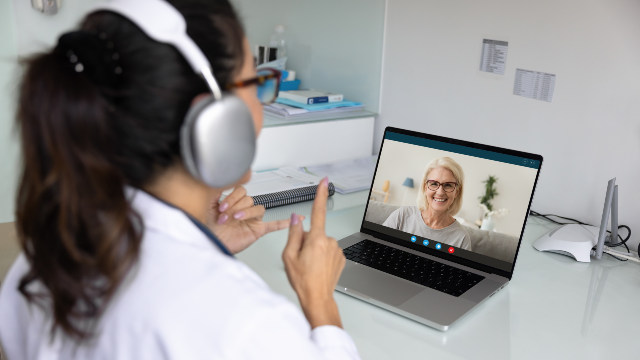
Interpreter arrangements vary widely. Some hospitals and clinics that treat international patients provide interpreter access; in other situations, patients arrange an independent interpreter themselves. Whether interpreter services are available for a given appointment, and in which languages, is something you should confirm in advance rather than assume. If you plan to hire an independent interpreter, look for someone with experience in medical settings rather than a general translator.
Translation Apps and Written Materials
Smartphone translation apps have become useful everyday tools for travel. They can help with signs, menus, pharmacy visits, and casual conversation, and some can translate speech or text in real time. For routine logistics, they can smooth out many small moments during your trip.
Their limits matter, though. Machine translation can misread idioms, medical terms, and nuance, and you may not realize when it has produced a subtly wrong result. For that reason, apps are best treated as a helpful supplement for everyday situations rather than the sole channel for consent discussions or complex medical instructions. It also helps to request key information in writing. Written aftercare instructions, a medication list, and emergency contact details give you something you can re-read carefully, translate at your own pace, and share with a clinician back home.
Bringing a Bilingual Companion
Many patients travel with a friend or family member. A companion who speaks both your language and some Korean, or who is simply calm and organized, can be a real asset. They can take notes, keep track of instructions, help you remember questions, and provide practical and emotional support during recovery, when you may be tired, sore, or groggy from medication.
A companion is not a replacement for a professional interpreter during technical medical discussions, especially if their vocabulary does not include clinical terms. But as an extra set of ears and a second memory, a trusted travel companion adds a valuable margin of safety to the whole trip.
Language and Informed Consent
Informed consent is one of the most important reasons communication cannot be left to chance. Consent is not simply a signature on a form. As described in the medical literature, it is a process in which your clinician explains the nature of the procedure, its risks and benefits, and the reasonable alternatives, and then confirms that you actually understand what has been discussed. That final step, checking your understanding, is impossible without effective communication.
Before you sign anything, you should be able to explain the procedure back in your own words, describe the main risks, and know what recovery will involve. If any part of the discussion is unclear, that is a signal to slow down and ask for it to be re-explained, ideally through an interpreter. Feeling rushed or unsure is a reason to pause, not to push ahead. Taking the time to genuinely understand your care is a sign of a responsible process, and a good clinician will welcome your questions.
What to Confirm Before You Book
Rather than assuming a clinic can meet your language needs, treat this as one of the practical items on your planning checklist. Before booking travel, it is reasonable to ask a prospective clinic to clarify, in writing, how communication will work at each stage of your visit. Helpful questions include:
In which languages can the clinic communicate during the initial inquiry and any remote consultation?
How will communication be handled during the in-person surgical consultation and the informed-consent discussion?
Will written aftercare instructions and a medication list be provided in a language I read comfortably?
If I want a professional interpreter, can the clinic arrange one, or should I bring my own?
Who do I contact, and how, if I have a question or concern during recovery in Seoul?
Getting clear answers before you travel lets you plan realistically. If a clinic cannot support your preferred language for a critical conversation, you can arrange your own interpreter, adjust your plans, or ask more questions. Sorting this out early is far easier than discovering a gap on the day of your consultation. You can raise these questions with Gonggan Plastic Surgery through the contact page, and general clinic information is available on the main website.
Confirming Language Support With the Clinic
To be clear about the boundaries of this article: it describes the general landscape of language support in medical travel. It does not describe the specific interpreter services, staff languages, or communication arrangements at any particular clinic, because those details are set by each clinic and can change. The responsible way to learn what is available for your visit is to ask the clinic directly and get the answer in writing.
That written confirmation is worth keeping alongside your other trip documents. If you have specific needs, such as a particular language or a request for interpreter support during consent, state them clearly in your first message so the clinic can tell you what it can and cannot accommodate. A short, honest exchange up front sets realistic expectations for everyone and helps your consultation and recovery go more smoothly.
Frequently Asked Questions
Do plastic surgery clinics in Seoul speak English?
This varies by clinic and by staff member, so it should not be assumed. Some clinics that treat international patients have English-language communication in place, while others may rely on interpreters or other arrangements. The reliable approach is to confirm the available languages directly with the specific clinic before you book.
Should I hire my own medical interpreter?
It can be a sensible option, particularly for the surgical consultation and consent discussion, where accuracy matters most. First ask whether the clinic arranges interpreter access; if not, or if you prefer your own, look for an interpreter with experience in medical settings. Clarify in advance who is responsible for arranging and paying for interpretation.
Are translation apps good enough for a medical appointment?
Translation apps are useful for everyday travel situations like directions, shopping, and casual conversation. They are less reliable for medical nuance and can produce subtle errors you may not catch. Treat them as a helpful supplement, not as your main tool for consent or complex aftercare instructions.
What should I do if I do not understand something during my consultation?
Pause and ask for it to be explained again, ideally through an interpreter, and do not sign consent forms until you genuinely understand the procedure, risks, and recovery. Being able to describe your care in your own words is a good check of understanding. Feeling rushed or unsure is a reason to slow down.
Can I get my aftercare instructions in writing?
You can ask for written aftercare instructions, a medication list, and emergency contact details, and doing so is a good idea. Written materials let you re-read information, translate it carefully, and share it with a clinician at home if needed. Confirm with the clinic what documentation it can provide and in which language.
How do I ask a clinic about its language support?
Send a clear written message before booking that states your preferred language and asks how communication will be handled at each stage of care. For Gonggan Plastic Surgery, you can use the contact page. Ask for the answer in writing so you can keep it with your travel documents.
The Bottom Line
Clear communication is a genuine safety issue in medical travel, affecting your history-taking, informed consent, and aftercare, not just your comfort.
Common options include professional medical interpreters for critical conversations, translation apps for everyday situations, and a trusted bilingual companion for support.
Never sign consent until you fully understand the procedure, its risks, and your recovery plan; ask for anything unclear to be re-explained.
Confirm in writing what language support a clinic can provide before you book, and arrange your own interpreter if needed.
For Gonggan Plastic Surgery, confirm available language support directly through the clinic's contact page rather than assuming any particular service.
This article is for general educational purposes only and does not constitute medical, legal, or immigration advice. Surgical results and recovery vary from person to person, and no outcome is guaranteed. It is not a self-diagnosis tool. For guidance about your specific situation, consult a qualified surgeon and confirm entry, visa, and clinic-specific details with the appropriate official sources and the clinic itself.
More Articles
Continue reading our clinical guides.

Guide to Nose Surgery: Procedure Basics Explained
Guide to nose surgery: Discover procedure basics, preparation, recovery, and expected results. Learn what to expect and explore your options today.
Learn More

What to Know Before Eye Surgery
What to know before eye surgery: Learn about preparation, risks, recovery, and what to expect for a safer, more confident procedure. Read more today.
Learn More

Revision Rhinoplasty in South Korea: US Patient Guide
A practical guide to revision rhinoplasty in South Korea for US patients: why second nose surgery is more complex, cartilage graft realities, and risks.
Learn More