17+ Years of Personalized Eye, Nose & Lifting Plastic Surgery in Gangnam, Seoul

Medical Guide
Ptosis Correction: Restoring Droopy Eyelid Function
Ptosis correction treats a drooping upper eyelid that can limit vision, tightening or reattaching the levator muscle. Learn options, recovery, and risks.
Schedule a ConsultationPtosis Correction: Restoring Droopy Eyelid Function
Medically reviewed by Dr. Kiweon Ham, Board-Certified Plastic Surgeon in South Korea, Chief Director, Gonggan Plastic Surgery
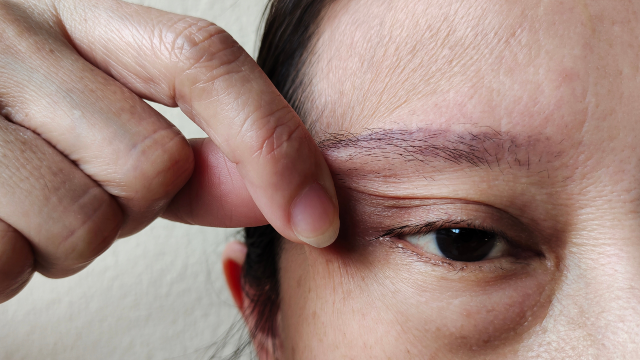
Ptosis (pronounced TOE-sis) is the medical term for a drooping upper eyelid. When the eyelid sits lower than it should in the normal, forward-looking position, it can shade the upper part of your vision, make the eyes look tired or uneven, and cause you to strain your forehead muscles or tip your head back to see. Ptosis correction is the surgery that addresses this by repositioning or strengthening the structures that lift the eyelid. Unlike some eye procedures that are purely cosmetic, ptosis correction is often as much about eyelid function as appearance.
This guide explains what ptosis is, why it happens, how the correction is planned and performed, and what to realistically expect from recovery. It also gives an honest account of the risks — including over-correction, under-correction, asymmetry, and dry eye — and why some patients need an adjustment afterward. The aim is to help you understand the procedure well enough to have a productive conversation with a qualified surgeon.
What Is Ptosis?
Ptosis refers to an abnormally low-sitting upper eyelid in the primary position of gaze (looking straight ahead). The word comes from the Greek for "falling." According to clinical references such as StatPearls, blepharoptosis is a common but complex condition with functional, aesthetic, and, in more significant cases, vision-related implications. The upper eyelid does important work: it protects the surface of the eye, helps spread the tear film with each blink, and keeps the visual pathway clear. Even small differences in eyelid height can reduce the upper field of vision, contribute to eye fatigue, and change how the face looks.
Ptosis can affect one or both eyes, and one side is often more droopy than the other. Because the causes and severity vary so widely, ptosis is not a one-size-fits-all diagnosis, and neither is its treatment.
Functional Versus Cosmetic: An Important Distinction
One of the most important things to understand about ptosis is that it is not always a cosmetic issue. In many people, a drooping eyelid is a functional problem: the muscle responsible for lifting the eyelid — the levator muscle — is weak, stretched, or detached, so the eyelid physically cannot rise as it should. When drooping is significant, it can block part of the visual field and interfere with everyday tasks like reading or driving.
This is different from excess, sagging eyelid skin (dermatochalasis), which is a separate age-related change that can also crowd the eye. The two conditions sometimes occur together, but they are not the same, and they may call for different or combined procedures. A careful examination distinguishes true ptosis (an eyelid-lifting mechanism that is underperforming) from excess skin alone, because the surgical plan depends on the cause.
Because ptosis can be functional, the goals of surgery often go beyond appearance. As Mayo Clinic describes for eyelid procedures, careful planning aims not only to lift the lid but also to protect the eye surface, improve eyelid function, and maintain a balanced eyelid position. Whether a given case is primarily functional, primarily cosmetic, or a mix is something only an in-person evaluation can determine.
What Causes a Drooping Eyelid?
Ptosis has several possible causes, and identifying the underlying reason is central to planning treatment. Broadly, causes include:
Aponeurotic (age-related) ptosis: the most common form in adults, where the tendon connecting the levator muscle to the eyelid stretches or separates over time.
Congenital ptosis: present from birth, typically due to a problem in the development of the levator muscle. In children, this needs specialized evaluation because a drooping lid can affect visual development.
Neurogenic or muscular causes: conditions affecting the nerves or muscles that control the eyelid.
Mechanical or traumatic causes: the weight of extra tissue, a mass, or injury and prior surgery affecting the eyelid.
Some causes of a newly drooping eyelid can signal an underlying medical condition that requires prompt attention. For that reason, a new or rapidly changing droop should be evaluated by a physician rather than assumed to be simply cosmetic. A surgeon planning ptosis correction will want to know the cause, how long it has been present, and whether it fluctuates during the day.
How Ptosis Correction Works
The right technique depends on how well your levator muscle still functions and on the cause and degree of drooping. In general, ptosis surgery works by tightening, advancing, or reattaching the eyelid-lifting mechanism so the lid sits at a better height.
When the levator muscle retains reasonable strength, a common approach is to tighten or reattach the levator (or its tendon, the aponeurosis) through an incision hidden in the natural eyelid crease. When the levator is very weak, other techniques may be used, including procedures that recruit the forehead muscle to help lift the lid (a "sling" approach) in selected cases. The surgeon selects the method after measuring eyelid height, levator function, and eyelid position, among other findings.
Ptosis correction is sometimes combined with upper eyelid blepharoplasty when excess skin is also present. In fact, Mayo Clinic notes that when the upper eyelid droops close to the pupil, blepharoplasty may be combined with a ptosis procedure designed to lift the lid as well as remove excess skin. Whether your case calls for ptosis correction alone, blepharoplasty alone, or both together is an individualized decision.
You can learn more about the eye-surgery services offered on the Gonggan Plastic Surgery website, where eyelid ptosis correction is among Dr. Kiweon Ham's documented specializations.
Evaluation and Planning
A thorough evaluation is the foundation of a good result. Because eyelid height is measured in millimeters and small differences are visible, precise assessment matters. As reflected in clinical references and in Mayo Clinic's description of eyelid-surgery planning, an evaluation may include measuring eyelid position and levator function, testing tear production, a complete eye examination, and sometimes visual field testing to document how much the drooping affects your sight. Eyelid photography from different angles helps with planning.
Your surgeon will also review your full medical history, including any dry-eye symptoms, previous eye surgery, thyroid or neurological conditions, medications, and bleeding tendencies. Dry eye is particularly relevant: raising the eyelid changes how completely the eye closes and how the tear film is distributed, so pre-existing dryness needs to be factored into the plan.
Specifics such as anesthesia, scheduling, and cost are set by the clinic and by your individual situation and are not covered here — confirm those directly with the clinic. You can start that conversation through the Gonggan Plastic Surgery website or by reviewing the surgeon's background on the Dr. Kiweon Ham profile page.
What to Expect on the Day of Surgery
Eyelid procedures, including many ptosis corrections, are commonly performed on an outpatient basis, so most patients go home the same day. Depending on the technique and the plan, the eyelid area is numbed, and the surgeon may make an incision within the natural eyelid crease to access and adjust the lifting mechanism. In some ptosis techniques, the patient's cooperation during surgery helps the surgeon fine-tune eyelid height, because the final position is checked as the adjustment is made.
Fine sutures close the incision. Your surgeon will explain the specifics of your operation, how the sutures are managed, and the aftercare you will need. Anesthesia and sedation choices depend on your plan and the clinic; ask your care team what applies to you.
Recovery and Healing
Recovery timelines vary with the individual and the extent of surgery. In the first days, expect swelling, bruising, and tightness around the eyelids. Following your surgeon's aftercare instructions supports healing. Commonly recommended measures for eyelid surgery include using cool compresses, keeping the head elevated, using any prescribed eye drops or ointment, avoiding strenuous activity and heavy lifting for a period, and not rubbing the eyes or wearing contact lenses until cleared.
As a general reference point for eyelid surgery, bruising and swelling often subside substantially over roughly one to two weeks, though this varies. Because eyelid height depends on how the tissues settle, the final position can take weeks to months to become apparent as swelling fully resolves. Temporary effects such as watering eyes, light sensitivity, blurred vision from lubricating ointment, or difficulty fully closing the eye may occur early in recovery.
Seek prompt medical attention for warning signs such as severe or increasing eye pain, significant bleeding, sudden vision changes, or signs of infection. Attend your follow-up visits so your surgeon can monitor healing and eyelid position.
Risks and Realistic Expectations
Ptosis correction is a precise procedure, and precision has trade-offs. The most characteristic risks are related to eyelid height and symmetry:
Over-correction: the eyelid is lifted too high, which can leave the eye looking surprised and, importantly, may prevent the eye from closing completely.
Under-correction: the eyelid remains lower than desired, leaving some residual droop.
Asymmetry: the two eyelids may not match perfectly in height or contour, which is especially noticeable when only one side is operated on.
Dry eye and difficulty closing the eyes: raising the eyelid changes how the eye closes and how tears spread, which can cause or worsen dryness and irritation.
Because achieving an exact, symmetric height is genuinely difficult, some patients need a follow-up adjustment or revision procedure to fine-tune the result. This possibility should be discussed openly before surgery; it is a recognized part of ptosis surgery rather than a sign that something went wrong. Beyond these, general surgical risks apply, including bleeding, infection, reaction to anesthesia, noticeable scarring, temporary blurred vision, and, very rarely, more serious eye complications. No surgeon can guarantee a specific outcome, and results vary from person to person.
Choosing a Qualified Surgeon
Because ptosis correction blends functional and aesthetic goals and involves millimeter-level precision near the eye, choosing an appropriately trained surgeon is essential. The American Society of Plastic Surgeons emphasizes verifying a surgeon's training and experience with the specific procedure and confirming the surgical facility. Ptosis can also be evaluated and treated by ophthalmologists and oculoplastic surgeons, and a good evaluation identifies the underlying cause before recommending a technique.
Dr. Kiweon Ham is documented as a Board-Certified Plastic Surgeon in South Korea and Chief Director at Gonggan Plastic Surgery, with eyelid ptosis correction among his documented specializations. This is a Korean specialty board and is distinct from any United States certification. You can review documented education, training, and professional memberships on the Dr. Kiweon Ham profile page. Whichever surgeon you consult, ask direct questions about how they measure and plan, how they handle asymmetry, and what they do if an adjustment is needed.
Frequently Asked Questions
Is ptosis a cosmetic or a medical problem?
It can be either, and often both. In many cases a drooping upper eyelid is functional — the levator muscle cannot lift the lid properly, which can limit vision. In other cases the concern is mainly about appearance. Because a new or worsening droop can occasionally signal an underlying medical issue, it should be evaluated by a physician.
How is ptosis different from having excess eyelid skin?
Ptosis is a low-sitting eyelid caused by a problem with the eyelid-lifting mechanism, while dermatochalasis is excess, sagging eyelid skin. They can look similar and sometimes occur together, but they have different causes and may need different or combined procedures. A careful examination distinguishes them, which is why the plan depends on an in-person assessment.
What are the main risks of ptosis correction?
The most characteristic risks involve eyelid height and symmetry: over-correction (lifting the lid too high, which can prevent full eye closure), under-correction (residual droop), and asymmetry between the two eyes. Dry eye and difficulty closing the eyes are also important considerations. General surgical risks such as bleeding, infection, and scarring apply as well.
Might I need a second procedure?
Possibly. Achieving an exact, symmetric eyelid height is difficult, so some patients need a follow-up adjustment or revision to fine-tune the result. This is a recognized part of ptosis surgery and is best discussed openly before you proceed, rather than assumed to be a complication.
How long does recovery take?
Swelling and bruising are expected early and, as a general reference for eyelid surgery, often subside substantially over roughly one to two weeks, though this varies by person. Because the tissues need time to settle, the final eyelid position can take weeks to months to become fully apparent. Follow your surgeon's aftercare instructions closely.
Can ptosis correction be combined with other eyelid surgery?
Yes. When excess skin is present along with a drooping lid, ptosis correction is sometimes combined with upper eyelid blepharoplasty. Whether combining procedures is right for you depends on your anatomy and goals and is decided during an in-person consultation.
How do I find out about anesthesia and cost?
Anesthesia choices, scheduling, payment options, and pricing depend on your individual plan and are set by the clinic, so they are not covered in this article. Contact Gonggan Plastic Surgery directly through its website to discuss these details for your situation.
The Bottom Line
Ptosis is a drooping upper eyelid that is often a functional problem — a weak or detached levator muscle can limit vision — not only a cosmetic one.
Correction works by tightening, advancing, or reattaching the eyelid-lifting mechanism, and it is sometimes combined with upper eyelid blepharoplasty when excess skin is present.
Distinguishing true ptosis from excess eyelid skin requires an in-person evaluation, because the two conditions have different causes and treatments.
Characteristic risks include over-correction (which can impair eye closure), under-correction, asymmetry, and dry eye, and some patients need a follow-up adjustment; results vary and no outcome is guaranteed.
A new or worsening droop should be evaluated by a physician, and surgery should be planned with a qualified surgeon after a careful assessment of the cause and severity.
This article is for general education only. It reflects general information about ptosis and eyelid surgery, not personalized medical advice, and individual results vary. It is not a substitute for a professional consultation and is not a self-diagnosis tool. Always seek evaluation and guidance from a qualified surgeon or physician about your specific situation, and confirm procedure details, candidacy, and costs directly with the clinic.
More Articles
Continue reading our clinical guides.

Guide to Nose Surgery: Procedure Basics Explained
Guide to nose surgery: Discover procedure basics, preparation, recovery, and expected results. Learn what to expect and explore your options today.
Learn More

What to Know Before Eye Surgery
What to know before eye surgery: Learn about preparation, risks, recovery, and what to expect for a safer, more confident procedure. Read more today.
Learn More
Revision Rhinoplasty in South Korea: US Patient Guide
A practical guide to revision rhinoplasty in South Korea for US patients: why second nose surgery is more complex, cartilage graft realities, and risks.
Learn More