17+ Years of Personalized Eye, Nose & Lifting Plastic Surgery in Gangnam, Seoul

Medical Guide
What to Pack and Prepare for Plastic Surgery Abroad
A practical checklist for plastic surgery abroad: passport and Korea entry rules, medical records, post-op clothing, insurance, and what to confirm first.
Schedule a ConsultationWhat to Pack and Prepare for Plastic Surgery Abroad
Medically reviewed by Dr. Kiweon Ham, Board-Certified Plastic Surgeon in South Korea, Chief Director, Gonggan Plastic Surgery
Preparing for plastic surgery abroad is a little different from packing for a normal vacation. You are traveling as a patient, not just a tourist, so a few of your bags and documents do more than keep you comfortable. They keep your care organized, help your surgical team make good decisions, and make your recovery in a foreign country smoother and safer. Getting these details right before you leave home reduces stress at exactly the moment you least want surprises.
This guide walks through what to prepare for a surgical trip to Seoul: the travel documents you cannot enter without, the medical records your surgeon will want to see, the clothing and supplies that make recovery easier, and the questions worth settling in advance. Because some requirements depend on your specific procedure and change over time, treat this as a general framework and confirm the specifics with official sources and with your clinic. For Gonggan Plastic Surgery, you can raise procedure-specific questions through the contact page.
Travel Documents and Korea Entry Requirements
Your documents are the single most important thing to get right, because problems here can derail an entire trip before it starts.
Passport. Make sure your passport is valid and in good condition, and check the expiration date well ahead of time. Many travelers keep a printed copy and a secure digital copy stored separately from the original, which is helpful if the original is lost.
Entry authorization for South Korea. Entry rules change, so verify the current requirements before you book. As of this writing, eligible U.S. citizens are temporarily exempt from the Korea Electronic Travel Authorization (K-ETA) through December 31, 2026. During this exemption, short-term visitors are generally required to complete the electronic e-Arrival Card before entry. The K-ETA requirement is scheduled to return on January 1, 2027, so travelers arriving on or after that date should plan to apply for it. Patients who need a longer or purpose-specific stay may look into the C-3-3 short-term medical visa. These rules can and do change, so confirm the current requirements with the Korean embassy or consulate and official Korean government sources, and do not rely on this article as immigration advice.
Insurance documents. Bring proof of any travel and health insurance you have arranged, along with the policy numbers and the insurer's contact information. Because coverage for elective cosmetic surgery abroad and for any resulting complications is often limited or excluded, read your policy carefully and consider asking specifically about medical travel. Keep these documents where you can reach them quickly.
Payment and contact details. Carry the clinic's address, phone number, and email, plus your accommodation details and a way to be reached. Having your itinerary written down in one place is useful if your phone battery dies or you lose signal.
Medical Records and Medication Information
Your surgeon can only plan safely around what they know about your health, and you are the person carrying that information across the border. Gathering it before you travel is one of the most valuable things you can do.
A current medication list. Write down everything you take, including prescription drugs, over-the-counter medicines, vitamins, and supplements, with the dose and how often you take each one. Note any drug allergies clearly. Some medications and supplements affect bleeding, anesthesia, or healing, so your surgical team needs the complete picture. Keep medications in their original labeled containers, and be aware that some prescription drugs are restricted in South Korea and may require advance approval, which you should check before you fly.
Relevant medical history and records. Bring documentation of significant medical conditions, past hospitalizations, and any recent tests your surgeon has requested. If you have had prior surgery, especially previous plastic surgery in the same area, records and operative notes are particularly important. For a revision procedure, details about what was done before can meaningfully shape the surgical plan.
Records of prior surgery. Beyond operative notes, photos of earlier results, implant information if relevant, and a summary of any past complications all help your surgeon understand your starting point. When you are unsure whether a record is relevant, it is usually better to bring it than to leave it behind.
Sharing this information ahead of time, not just on the day of surgery, gives your team room to review it and ask follow-up questions. Providing an accurate history is also part of informed consent, which depends on both you and your surgeon understanding your situation fully.
Questions to Settle Before You Travel
A short list of written questions, sorted out before surgery, prevents the scramble of trying to think clearly while you are anxious or recovering. Consider clarifying:
What does the recovery timeline look like, and when is it safe to fly home?
What are the main risks of my specific procedure, and what would warrant urgent attention?
What aftercare instructions and follow-up will I have, and how do I reach the clinic with concerns?
What should I do, and where should I go, if a problem arises after I return home?
That last point deserves emphasis. Once you are back in the United States, your surgeon is far away, and in-person follow-up is limited. For any acute problem after returning home, such as signs of infection, a fever, or significant bleeding, seek local urgent or emergency care first, and then contact your surgical team. Being realistic about the limits of remote follow-up is part of planning surgery abroad responsibly. You can review general information about the practice on the main website and route procedure-specific questions to the contact page.
Packing for a Comfortable Recovery
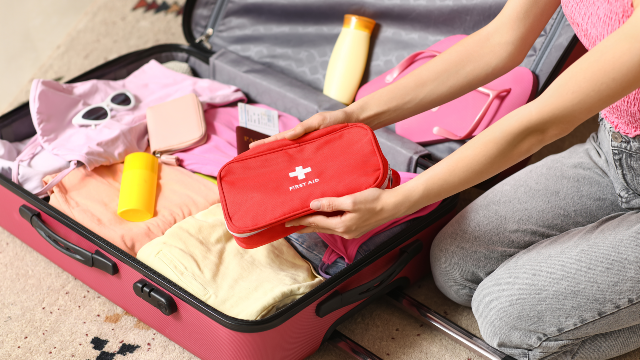
Once your documents and medical information are handled, the rest of your packing is about making recovery easier. You will likely be sore, tired, and less mobile than usual for part of the trip, so plan your bag around comfort and simplicity.
Loose, comfortable clothing. Depending on your procedure, you may find it hard to raise your arms, bend over, or pull clothes over your head. Front-fastening tops, button-up shirts, zip hoodies, loose bottoms, and slip-on shoes reduce strain during dressing. Ask your clinic whether your specific surgery calls for any particular garment so you can pack accordingly.
Comfort items for rest. A neck pillow, an eye mask, earplugs, and your own toiletries help you rest in unfamiliar surroundings. Lip balm and a good moisturizer are welcome on long flights and in air-conditioned rooms. Simple entertainment, such as downloaded books, shows, or music, helps pass quiet recovery hours.
Practical supplies. Bring enough of your regular medications for the whole trip plus a buffer in case of delays, along with universal power adapters, chargers, and a portable battery. A reusable water bottle supports the hydration that matters during travel and recovery.
Post-op essentials. Keep any items you will need immediately after surgery, such as prescribed garments, gentle skincare, and easy snacks, in a bag you can reach without much movement. Thinking through the first day or two in advance means less improvising when you are tired.
Managing the Long Flight and Blood-Clot Risk
Long-haul flights involve sitting still for many hours, and prolonged immobility is a recognized risk factor for blood clots such as deep vein thrombosis, in which a clot forms in a deep vein, usually in the leg. The CDC notes that the risk from travel is generally low but rises with longer trips and with other risk factors, and that recent surgery is itself a risk factor. Because you are combining a long flight with a surgical procedure, this is worth taking seriously in both directions.
Common measures to lower risk on long flights include staying hydrated, moving and walking around the cabin when you can, flexing your ankles and calves while seated, and, for some travelers, wearing graduated compression stockings. Just as important is the timing of your return flight. Do not book a rigid, early departure that pressures you to fly before you are ready. Wait until your surgeon has cleared you to travel, and build in flexibility so recovery, not your ticket, sets the pace. If you have a personal or family history of blood clots, discuss it with your surgeon in advance.
Confirm the Specifics With Your Clinic
This checklist is intentionally general, because the right preparation depends on your procedure, your health, and current regulations. Requirements such as pre-operative testing, specific garments, medication adjustments before surgery, and exact recovery timelines are decisions for your surgical team, not something to guess from a general guide. Ask your clinic what it needs from you, and get the answer in writing so you can pack and plan with confidence. Confirm entry and visa rules with official Korean government sources close to your travel date, since those can change. A little verification in advance turns a complicated trip into a manageable one.
Frequently Asked Questions
Do I need a visa or K-ETA to travel to Korea for surgery?
Rules change, so verify current requirements before booking. As of now, eligible U.S. citizens are temporarily exempt from the K-ETA through December 31, 2026, and short-term visitors generally complete the e-Arrival Card before entry; the K-ETA is scheduled to return on January 1, 2027. Patients needing a purpose-specific stay may look into the C-3-3 short-term medical visa, and should confirm current rules with the Korean embassy or consulate.
What medical documents should I bring?
Bring a complete medication list with doses and allergies, documentation of significant medical conditions and recent tests, and records of any prior surgery, especially operative notes for previous procedures in the same area. Sharing this before your trip, not just on surgery day, gives your team time to review it. When in doubt about whether a record is relevant, bring it.
What clothes are best for after plastic surgery?
Loose, comfortable clothing that is easy to put on without raising your arms or bending over is ideal, such as front-fastening tops, button-up shirts, loose bottoms, and slip-on shoes. The best choices depend on your specific procedure. Ask your clinic whether your surgery requires any particular garment so you can pack the right items.
Can I fly home right after surgery?
Wait until your surgeon has cleared you to travel rather than booking a fixed, early return flight. Long flights combined with recent surgery raise the risk of blood clots, so build flexibility into your plans and let recovery set the pace. Ask your surgeon for a realistic timeline for your specific procedure.
Does travel insurance cover cosmetic surgery abroad?
Coverage for elective cosmetic surgery abroad and for any resulting complications is often limited or excluded, so read your policy carefully. Consider asking your insurer specifically about medical travel and what would and would not be covered. Bring your policy details and insurer contact information with you.
What should I do if I have a problem after returning home?
For any acute issue after you return, such as signs of infection, fever, or significant bleeding, seek local urgent or emergency care first, then contact your surgical team. In-person follow-up is limited once you are far from the clinic, so plan for this before you travel. Keep your clinic's contact details accessible throughout recovery.
How do I confirm what my clinic specifically requires?
Ask the clinic directly and request the answer in writing, since pre-operative testing, garments, and medication instructions are procedure-specific. For Gonggan Plastic Surgery, use the contact page. Settle these questions before you finalize travel so you can pack and prepare accurately.
The Bottom Line
Documents come first: confirm your passport, verify current Korea entry rules (K-ETA exemption through December 31, 2026, e-Arrival Card, K-ETA returning January 1, 2027, and the C-3-3 medical visa), and carry insurance details.
Prepare a complete medication list and gather medical records, including notes from any prior surgery, and share them with your surgeon before the trip.
Pack for recovery with loose, easy-to-wear clothing, comfort items, and enough medication for the whole trip plus a buffer.
Take blood-clot risk on long flights seriously, and wait for your surgeon's clearance before flying home rather than booking a rigid return date.
Confirm procedure-specific requirements in writing with the clinic, and verify entry rules with official Korean government sources close to your travel date.
This article is for general educational purposes only and does not constitute medical, legal, or immigration advice. Surgical results and recovery vary from person to person, and no outcome is guaranteed. It is not a self-diagnosis tool. For guidance about your specific situation, consult a qualified surgeon, and confirm entry, visa, and clinic-specific requirements with the appropriate official sources and the clinic itself.
More Articles
Continue reading our clinical guides.

Guide to Nose Surgery: Procedure Basics Explained
Guide to nose surgery: Discover procedure basics, preparation, recovery, and expected results. Learn what to expect and explore your options today.
Learn More

What to Know Before Eye Surgery
What to know before eye surgery: Learn about preparation, risks, recovery, and what to expect for a safer, more confident procedure. Read more today.
Learn More

Revision Rhinoplasty in South Korea: US Patient Guide
A practical guide to revision rhinoplasty in South Korea for US patients: why second nose surgery is more complex, cartilage graft realities, and risks.
Learn More