17+ Years of Personalized Eye, Nose & Lifting Plastic Surgery in Gangnam, Seoul

Specialty Overview
Middle-aged Eye Surgery
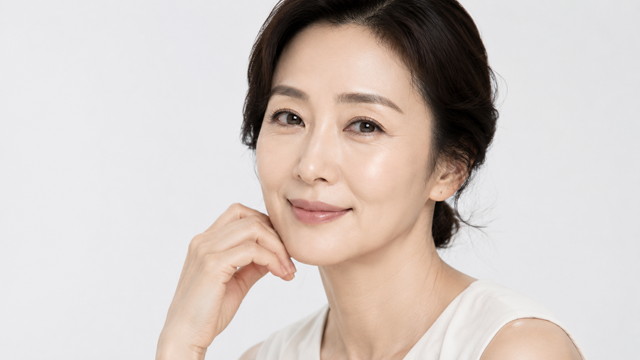
Middle-aged eye surgery refers to a group of surgical techniques used to address the structural changes that develop around the eyes and brow over time.
Schedule a ConsultationWhat Does Middle-Aged Eye Surgery Mean in Plastic Surgery?
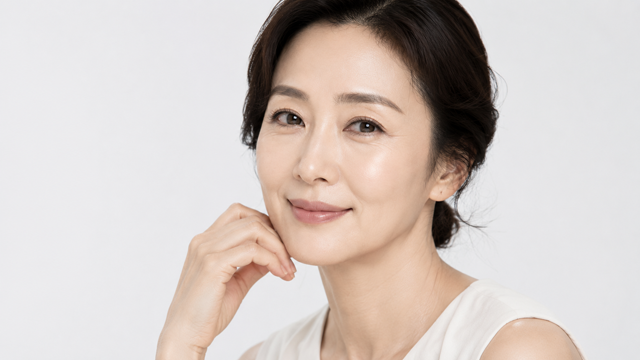
Middle-aged eye surgery refers to a group of surgical techniques used to address the structural changes that develop around the eyes and brow over time, including loss of skin elasticity, descent of the brow, and shifts in fat distribution around the upper and lower eyelids. Within plastic surgery, this category is distinct from eyelid procedures performed earlier in life, since the underlying concerns relate to tissue laxity and gravitational changes rather than fold formation alone.
At Gonggan Plastic Surgery, this category of eye surgery is approached with attention to how the upper eyelid, brow, and lower eyelid interact as a connected structure rather than treating each area in isolation. This is relevant because excess upper eyelid skin and brow descent can present similar visual symptoms, and addressing only one without considering the other may not fully resolve the patient's concern.
This integrated structural approach is particularly relevant for patients experiencing both heaviness in the upper eyelid and a sense that the brow itself has dropped, since the appropriate surgical solution depends on accurately identifying which structure is primarily responsible for the appearance.
Advanced Middle-Aged Eye Surgery in Plastic Surgery — Key Procedures for Expert, Patient-Focused Care
Patients considering middle-aged eye surgery often carry specific concerns: excess skin on the upper eyelid that creates a heavy or tired appearance, a brow that has gradually descended and contributes to a sense of crowding around the eyes, or sagging and puffiness beneath the lower eyelid that makes the eyes look fatigued regardless of actual rest. In more pronounced cases, excess upper eyelid skin may also begin to interfere with the upper visual field. These concerns are frequently accompanied by a desire to look refreshed and naturally rested, without appearing visibly altered or overly tightened.
These concerns are valid, and patients do not need to navigate them alone. Gonggan Plastic Surgery places particular emphasis on assessing whether upper eyelid skin excess, brow descent, or lower eyelid changes — or some combination of the three — is the primary contributor to the patient's concern. The clinical focus remains on comfort, transparency, and realistic structural planning rather than applying a single standardized procedure to every patient.
Differentiating Upper Eyelid Skin Excess from Brow Descent
A key part of accurate diagnosis involves distinguishing between excess skin localized to the upper eyelid itself and a brow that has descended and is contributing to the appearance of heaviness. Upper blepharoplasty addresses the former by removing excess skin directly from the eyelid, while brow ptosis correction addresses cases where the brow position itself needs to be elevated. Identifying which structure is responsible — or whether both are involved — is essential to selecting the correct surgical approach rather than treating the eyelid alone when the brow is the underlying cause.
Addressing Lower Eyelid Changes
For patients with concerns localized to the area beneath the eye, lower blepharoplasty addresses sagging skin and shifts in fat distribution that contribute to a tired or aged appearance. This procedure is evaluated independently of upper eyelid and brow concerns, since the underlying causes and surgical techniques differ between the upper and lower eyelid regions.
Individualized Assessment for Natural-Looking Results
As with other eye surgery procedures at the clinic, facial asymmetry and individual anatomical differences are assessed carefully before finalizing a surgical plan. This is particularly relevant in middle-aged eye surgery, where the goal is typically to restore a more rested appearance rather than to dramatically alter the eye shape, requiring a more conservative and precisely calibrated surgical approach.
Specialty Services & Treatments for Middle-Aged Eye Surgery and Main Conditions in Plastic Surgery
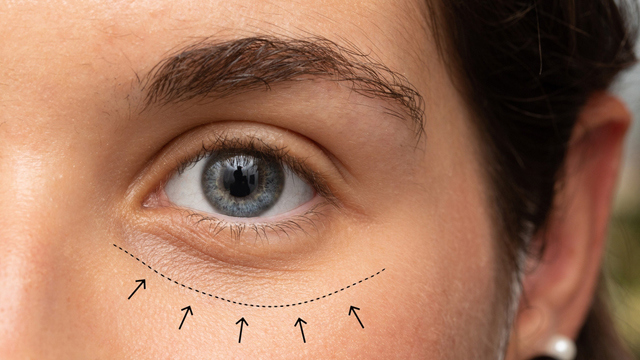
Gonggan Plastic Surgery offers the following middle-aged eye surgery procedures:
- Upper Blepharoplasty — Surgical removal of excess or sagging skin from the upper eyelid to reduce heaviness and improve visual field where affected.
- Brow Ptosis Correction — Surgical elevation of a descended brow to address heaviness or crowding around the upper eye area.
- Lower Blepharoplasty — Surgical correction of sagging skin and fat distribution beneath the eye to reduce a tired or aged appearance.
This combination of services reflects a structural, age-appropriate philosophy that distinguishes between upper eyelid, brow, and lower eyelid concerns rather than applying a single eyelid technique across all patients. Because Dr. Kiweon Ham's approach relies on careful differentiation between these structures, the clinic is positioned to identify the specific cause of each patient's concern and recommend a correspondingly targeted procedure.
Why Choose Gonggan Plastic Surgery for Middle-Aged Eye Surgery & Key Procedures in Plastic Surgery

- 17 years of clinical experience in plastic surgery, including direct experience differentiating upper eyelid, brow, and lower eyelid concerns in middle-aged patients.
- Single-director care model — every patient is personally overseen by Dr. Kiweon Ham from initial consultation through surgery and post-operative follow-up.
- Structural diagnostic approach that distinguishes between upper eyelid skin excess and brow descent, helping avoid procedures that address the wrong underlying structure.
- Individualized assessment of facial asymmetry, applied consistently across upper blepharoplasty, brow ptosis correction, and lower blepharoplasty.
- Conservative, natural-result philosophy suited to patients seeking a refreshed appearance rather than a dramatically altered eye shape.
- Background as former faculty at Yonsei University Severance Hospital, with training including fellowships at UC San Diego Medical Center (UCSD) and the University of Pittsburgh Medical Center (UPMC).
Patients choosing Gonggan Plastic Surgery for middle-aged eye surgery benefit from a careful diagnostic process that identifies the true source of their concern before recommending a surgical solution.
Meet the Specialist in Middle-Aged Eye Surgery
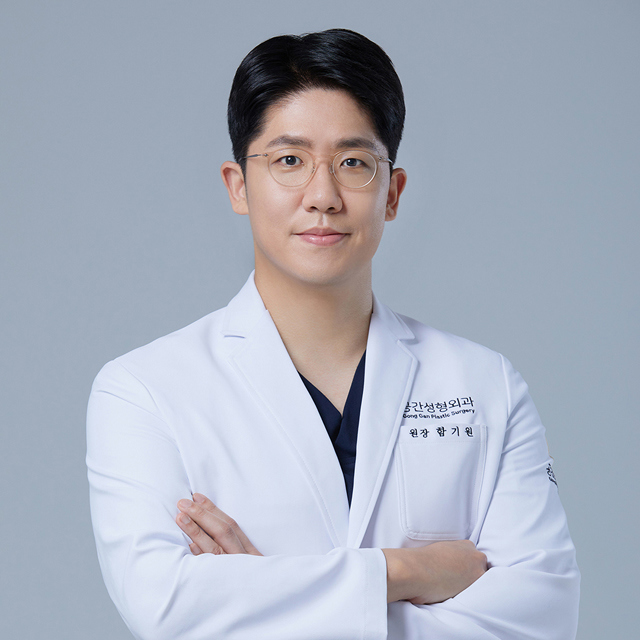
Dr. Kiweon HamBoard-Certified Plastic Surgeon
Dr. Kiweon Ham is a graduate of Yonsei University College of Medicine and completed his residency in plastic surgery at Severance Hospital, where he later served as a clinical instructor. His training also includes fellowships at UC San Diego Medical Center (UCSD) and the Department of Plastic Surgery at the University of Pittsburgh Medical Center (UPMC). He is a lifetime member of the Korean Society of Plastic and Reconstructive Surgeons, a member of the Korean Society for Aesthetic Plastic Surgery, the Korean Society of Craniofacial Surgery, and the International Confederation for Plastic, Reconstructive and Aesthetic Surgery (IPRAS), and is affiliated with the Eye Surgery Research Society.
Dr. Ham's approach to middle-aged eye surgery centers on accurately distinguishing between the upper eyelid, brow, and lower eyelid as separate but interrelated structures, ensuring that each patient's surgical plan addresses the specific anatomical cause of their concern. This patient-centered, detail-focused philosophy extends across all stages of care, from the initial diagnostic consultation through long-term post-operative monitoring.
International Patients & Global Support for Middle-Aged Eye Surgery Care
Gonggan Plastic Surgery supports patients traveling from abroad for middle-aged eye surgery consultations and procedures. The clinic's single-director model is particularly suited to international patients, who often value having one consistent point of contact throughout their treatment journey rather than coordinating with multiple providers.
International patients can expect:
- Structured consultation scheduling to accommodate travel planning
- Clear communication regarding the surgical plan, recovery timeline, and follow-up requirements
- Personalized assessment of upper eyelid, brow, and lower eyelid structure prior to confirming a treatment plan
- Guidance on post-operative care requirements relevant to recovery and travel timing
- Continued accessibility for follow-up questions after the patient returns home
From the first consultation through the post-operative recovery period, the clinic aims to provide international patients with a coordinated and transparent experience tailored to the specific structural needs of middle-aged eye surgery patients.
Patient Cases for Middle-Aged Eye Surgery
Case 1: Distinguishing Brow Descent from Upper Eyelid Excess
A patient presented with a heavy, crowded appearance around the upper eyes and had assumed upper blepharoplasty alone would resolve the concern. Assessment revealed that brow descent was the primary contributing factor rather than eyelid skin excess alone. The treatment plan was adjusted to include brow ptosis correction alongside a more conservative upper blepharoplasty, addressing both structures responsible for the appearance.
Case 2: Addressing Lower Eyelid Sagging and Fatigue
A patient sought correction for a persistently tired appearance beneath the eyes that did not improve with rest. Assessment identified sagging skin and shifted fat distribution in the lower eyelid as the underlying cause. Lower blepharoplasty was performed to address the fat distribution and skin laxity, with recovery monitored directly by Dr. Ham.
Patient case summaries are provided for illustrative purposes only and reflect general treatment approaches; individual results vary based on each patient's anatomy and clinical circumstances.
What to Expect from the Middle-Aged Eye Surgery Treatment Process

Step 1: Initial Consultation
During the initial consultation, Dr. Ham evaluates the patient's upper eyelid skin, brow position, and lower eyelid structure to determine which areas are contributing to the patient's concerns. This assessment forms the basis for determining whether upper blepharoplasty, brow ptosis correction, lower blepharoplasty, or a combination of these procedures is most appropriate.
Step 2: Personalized Surgical Plan
Based on the consultation findings, a tailored surgical plan is developed that addresses the specific structures identified during assessment. This may involve removal of excess upper eyelid skin, elevation of a descended brow, correction of lower eyelid fat distribution, or a combination tailored to the patient's individual anatomy and aesthetic goals.
Step 3: Ongoing Post-Operative Follow-Up
Following surgery, recovery is monitored directly by Dr. Ham as part of the clinic's single-director care model. This includes tracking swelling and healing progress, adjusting post-operative guidance as needed, and addressing any patient questions or concerns that arise during the recovery period.
Take the Next Step Toward a Refreshed, Natural Appearance
Whether your concern centers on upper eyelid heaviness, brow descent, or lower eyelid sagging, Gonggan Plastic Surgery offers a consultation process built around careful diagnosis and personalized surgical planning. Dr. Kiweon Ham draws on 17 years of clinical experience to assess which structures are contributing to your concern and recommend an approach suited to your specific goals, whether that involves upper blepharoplasty, brow ptosis correction, lower blepharoplasty, or a combination of these procedures. Schedule a consultation to discuss your concerns directly and receive a clear explanation of what surgical options may be appropriate for your situation.
- Primary CTA: Book a Consultation
- Secondary Option: For direct inquiries, patients can reach the clinic's consultation and appointment team through the official booking channel to discuss scheduling and initial questions before their visit.
Related Services
Procedures available within our clinical departments.

Fat Grafting
Fat grafting is a procedure that harvests the patient's own fat from a donor area, purifies it, and reintroduces it into specific facial zones to restore volume, improve contour, and create a more three-dimensional, naturally youthful facial appearance.
Learn More

Men's Eye Surgery
Men's eye surgery — encompassing male double eyelid surgery, ptosis correction, and eyelid refinement — requires a fundamentally different approach from female blepharoplasty.
Learn More

Implant-Free Rhinoplasty
Implant-free rhinoplasty is a surgical approach that reshapes and refines the nose entirely using the patient's own autologous tissue — with no artificial implants of any kind.
Learn More