17+ Years of Personalized Eye, Nose & Lifting Plastic Surgery in Gangnam, Seoul


Specialty Overview
Nose Surgery
Nose surgery, or rhinoplasty, refers to a set of surgical techniques used to reshape, restructure, or correct the nose for both aesthetic and functional purposes.
Schedule a ConsultationWhat Does Nose Surgery Mean in Plastic Surgery?

Nose surgery, or rhinoplasty, refers to a set of surgical techniques used to reshape, restructure, or correct the nose for both aesthetic and functional purposes. Within plastic surgery, it addresses concerns such as nasal bridge shape, nasal tip projection, septal alignment, and nostril width.
At Gonggan Plastic Surgery, nose surgery is approached as a structural procedure rather than a purely cosmetic adjustment. This means surgical planning accounts for cartilage strength, skin thickness, and the patient's existing nasal framework before any reshaping begins. Rather than relying solely on synthetic implants, the clinic emphasizes the use of the patient's own cartilage and dermal tissue, which integrates more naturally with surrounding structures over time.
This structural, tissue-based approach is particularly relevant for patients undergoing revision rhinoplasty, where previous implants or grafts may have shifted, become visible, or caused asymmetry. By rebuilding the nasal framework with biological support rather than artificial materials alone, the goal is a result that moves and ages naturally with the patient's face.
Advanced Nose Surgery in Plastic Surgery — Key Procedures for Expert, Patient-Focused Care

Patients considering nose surgery often carry specific concerns: a nasal tip that has drooped or weakened after a previous procedure, a septal extension that has shifted or become visibly crooked, nostrils that feel disproportionately wide for their face, or dissatisfaction with results from an earlier rhinoplasty performed elsewhere. These concerns are frequently accompanied by anxiety about undergoing surgery again, uncertainty about whether a better outcome is achievable, and concern over visible signs of previous surgical intervention.
These concerns are valid, and patients do not need to navigate them alone. Gonggan Plastic Surgery places particular emphasis on revision cases and complex structural corrections, recognizing that these patients often require more careful diagnostic assessment than first-time rhinoplasty patients. The clinical focus remains on comfort, transparency, and realistic structural planning rather than rushing toward a one-size-fits-all solution.
Bilateral Septal Support Technique
A central part of this approach involves the surgical technique used during septal extension. Rather than relying on a single point of fixation, bilateral support structures are used on both sides of the septal extension to distribute structural load more evenly. This reduces the likelihood of future deviation or asymmetry and helps prevent the nasal tip from gradually drooping over time — a common complaint among patients who have had less structurally supported rhinoplasty elsewhere.
Cartilage Reinforcement for the Nasal Tip
For nasal tip refinement specifically, septal extension is often paired with reinforcement using auricular (ear) cartilage. This combination allows the tip to be projected and shaped without appearing rigid or artificial, since auricular cartilage tends to have a softer, more flexible quality that mimics the natural curvature of nasal tip tissue. Where additional structural volume is needed, costal (rib) cartilage may also be used as a supportive graft material.
Dermal Grafting for Revision Cases
Dermal grafting plays a complementary role in many of these procedures, particularly in revision cases where scar tissue or thinning skin requires additional coverage and camouflage over the underlying cartilage framework. Both autologous (patient-derived) and artificial dermis are used depending on the clinical situation, with the choice guided by the specific tissue conditions identified during consultation.
Patients undergoing these procedures consistently report comparatively reduced bruising and swelling during recovery, which aligns with the clinic's broader emphasis on careful surgical technique and tissue-conserving methods rather than aggressive structural disruption.
Specialty Services & Treatments for Nose Surgery and Main Conditions in Plastic Surgery

Gonggan Plastic Surgery offers the following nose surgery procedures:
- Revision Rhinoplasty — Surgical correction for patients dissatisfied with or experiencing complications from a previous rhinoplasty, including implant displacement, tip drooping, or visible asymmetry.
- Nasal Tip Surgery — Reshaping and refining the nasal tip using combined septal extension and auricular cartilage reinforcement for a natural, non-rigid result.
- Rhinoplasty by Type — Surgical planning tailored to the patient's specific nasal structure and aesthetic goals, rather than a standardized technique applied uniformly.
- Implant-Free Rhinoplasty — Nose reshaping performed using autologous cartilage and dermal grafting rather than synthetic implant materials.
- Alar Reduction — Surgical narrowing of the nostril base to improve proportion and balance with the rest of the nasal structure.
This combination of services reflects a structural, tissue-based philosophy rather than a single standardized rhinoplasty technique. Because Dr. Kiweon Ham's approach relies heavily on bilateral septal support and autologous grafting, the clinic is positioned to handle both straightforward aesthetic requests and more complex revision cases that require careful structural rebuilding.
Why Choose Gonggan Plastic Surgery for Nose Surgery & Key Procedures in Plastic Surgery

- 17 years of clinical experience in plastic surgery, including extensive direct experience in nasal structural correction and revision cases.
- Single-director care model — every patient is personally overseen by Dr. Kiweon Ham from initial consultation through surgery and post-operative follow-up, rather than being transferred between different staff at each stage.
- Bilateral septal support technique designed specifically to reduce the risk of future deviation or nasal tip drooping, a common long-term concern in standard rhinoplasty.
- Combined cartilage and dermal grafting approach , using septal, costal, and auricular cartilage alongside autologous or artificial dermis to achieve structurally sound, natural-looking results.
- Background as former faculty at Yonsei University Severance Hospital , with training including fellowships at UC San Diego Medical Center (UCSD) and the University of Pittsburgh Medical Center (UPMC).
- Patient-reported outcomes of reduced bruising and swelling , consistent with the clinic's tissue-conserving surgical technique.
Patients choosing Gonggan Plastic Surgery for nose surgery benefit from a structural, detail-oriented approach that prioritizes long-term stability of results over short-term aesthetic change alone.
Meet the Specialist in Nose Surgery
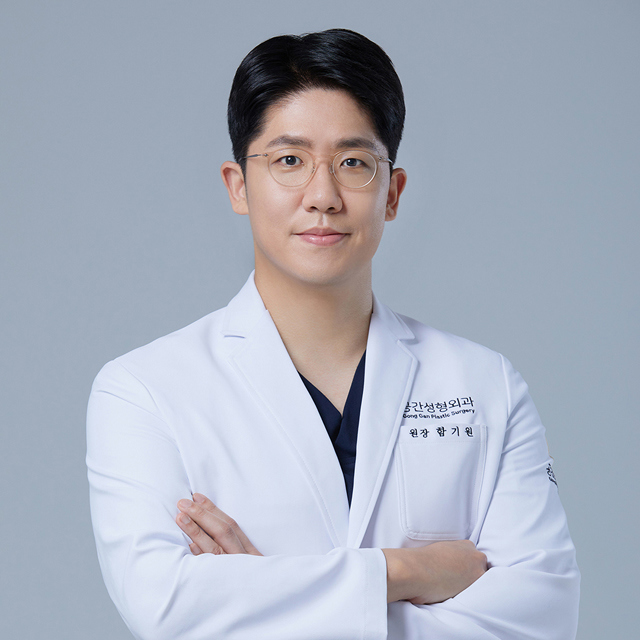
Dr. Kiweon HamBoard-Certified Plastic Surgeon
Dr. Kiweon Ham is a graduate of Yonsei University College of Medicine and completed his residency in plastic surgery at Severance Hospital, where he later served as a clinical instructor. His training also includes fellowships at UC San Diego Medical Center (UCSD) and the Department of Plastic Surgery at the University of Pittsburgh Medical Center (UPMC). He is a lifetime member of the Korean Society of Plastic and Reconstructive Surgeons, a member of the Korean Society for Aesthetic Plastic Surgery, the Korean Society of Craniofacial Surgery, and the International Confederation for Plastic, Reconstructive and Aesthetic Surgery (IPRAS), and is affiliated with both the Rhinoplasty Research Society and the Eye Surgery Research Society.
Dr. Ham's surgical approach to nose surgery centers on structural precision — carefully assessing each patient's existing cartilage strength, skin thickness, and nasal framework before determining the appropriate technique. This patient-centered, detail-focused philosophy extends across all stages of care, from the initial diagnostic consultation through long-term post-operative monitoring.
Patient Cases for Nose Surgery
Case 1: Correcting a Drooping Nasal Tip After Previous Surgery
A patient presented with a gradually drooping nasal tip several years after undergoing rhinoplasty at another clinic. Assessment revealed insufficient structural support at the septal extension site. The surgical plan involved revision rhinoplasty using bilateral septal support combined with auricular cartilage reinforcement of the nasal tip. Post-operative recovery was monitored directly by Dr. Ham, with attention to swelling reduction and structural stability during healing.
Case 2: Implant-Free Reshaping for a Patient Seeking a Natural Result
A patient requested nose reshaping without the use of synthetic implant materials, citing concerns about long-term implant visibility and rigidity. The treatment plan used autologous septal cartilage for bridge and tip support, supplemented with dermal grafting for skin coverage. The patient's recovery followed the clinic's standard post-operative monitoring protocol.
Patient case summaries are provided for illustrative purposes only and reflect general treatment approaches; individual results vary based on each patient's anatomy and clinical circumstances.
What to Expect from the Nose Surgery Treatment Process
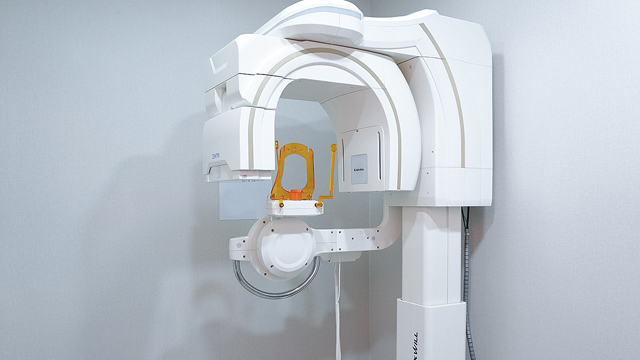
Step 1: Initial Consultation
During the initial consultation, Dr. Ham evaluates the patient's nasal structure, including septal alignment, cartilage strength, skin thickness, and — for revision cases — the condition of any existing implants or grafts from previous surgery. This assessment forms the basis for determining whether implant-free rhinoplasty, tip-focused surgery, alar reduction, or a revision approach is most appropriate.
Step 2: Personalized Surgical Plan
Based on the consultation findings, a tailored surgical plan is developed. This may involve septal extension using bilateral support structures, reinforcement of the nasal tip with auricular or costal cartilage, dermal grafting for skin coverage in revision cases, or alar reduction to refine nostril proportion. The plan is designed around the patient's specific anatomical needs rather than a standardized technique.
Step 3: Ongoing Post-Operative Follow-Up
Following surgery, recovery is monitored directly by Dr. Ham as part of the clinic's single-director care model. This includes tracking swelling and healing progress, adjusting post-operative guidance as needed, and addressing any patient questions or concerns that arise during the recovery period.
Take the Next Step Toward a More Balanced, Natural Nose
Whether you are considering nose surgery for the first time or seeking a structural correction after a previous procedure, Gonggan Plastic Surgery offers a consultation process built around careful diagnosis and personalized surgical planning. Dr. Kiweon Ham draws on 17 years of clinical experience to assess your individual nasal structure and recommend an approach suited to your specific goals, whether that involves nasal tip refinement, alar reduction, implant-free rhinoplasty, or revision surgery. Schedule a consultation to discuss your concerns directly and receive a clear explanation of what surgical options may be appropriate for your situation.
Primary CTA: Book a Consultation
Secondary Option: For direct inquiries, patients can reach the clinic's consultation and appointment team through the official booking channel to discuss scheduling and initial questions before their visit.
Related Services
Procedures available within our clinical departments.

Fat Grafting
Fat grafting is a procedure that harvests the patient's own fat from a donor area, purifies it, and reintroduces it into specific facial zones to restore volume, improve contour, and create a more three-dimensional, naturally youthful facial appearance.
Learn More

Men's Eye Surgery
Men's eye surgery — encompassing male double eyelid surgery, ptosis correction, and eyelid refinement — requires a fundamentally different approach from female blepharoplasty.
Learn More

Implant-Free Rhinoplasty
Implant-free rhinoplasty is a surgical approach that reshapes and refines the nose entirely using the patient's own autologous tissue — with no artificial implants of any kind.
Learn More