17+ Years of Personalized Eye, Nose & Lifting Plastic Surgery in Gangnam, Seoul


Medical Guide
Guide to Nose Surgery: Procedure Basics Explained
Guide to nose surgery: Discover procedure basics, preparation, recovery, and expected results. Learn what to expect and explore your options today.
Schedule a ConsultationUnderstanding Nasal Concerns and When Surgery May Help

Many people seek nose surgery, also known as rhinoplasty, to address either functional or aesthetic concerns. Common reasons include a dorsal hump, a wide or bulbous nasal tip, asymmetry following injury, breathing difficulties related to a deviated septum, or dissatisfaction with the results of a previous nose surgery. Some patients also seek consultation for a drooping or underprojected nasal tip, a wide nasal base, or an overall profile that feels disproportionate to the rest of the face.
Because the nose sits at the center of the face and directly influences how other features are perceived, even small structural changes can affect overall facial harmony. The nose also interacts closely with the forehead and chin in terms of visual balance, which is why a comprehensive facial assessment, rather than an isolated look at the nose alone, is generally considered best practice before any surgical planning begins.
At Gong Gan Plastic Surgery, located on the 15th floor of Sinsa Mi Tower at 616 Gangnam-daero, Gangnam-gu, Seoul, nasal procedures are approached as a combination of medical and aesthetic disciplines, with attention given to both the visible profile and the underlying cartilage and bone structure that supports it. This dual focus reflects a broader principle in modern rhinoplasty: that lasting aesthetic results depend on sound structural engineering beneath the skin, not surface-level reshaping alone.
What Rhinoplasty Involves
Rhinoplasty is a surgical procedure that reshapes the external structure of the nose by adjusting cartilage, bone, or soft tissue. Depending on the patient's anatomy and goals, this may involve:
- Refining the nasal tip for a more defined or balanced shape
- Reducing or smoothing a dorsal hump
- Correcting asymmetry caused by congenital structure or prior trauma
- Reinforcing the structural framework using septal extension techniques
- Adjusting nasal base width or nostril shape
- Revising the outcome of a previous rhinoplasty
A central consideration in modern rhinoplasty is structural durability. Procedures that rely solely on cosmetic shaping without adequate structural support can be prone to long-term changes such as warping, tip drooping, or visible irregularities as initial swelling resolves. For this reason, many surgeons, including the team at Gong Gan Plastic Surgery, emphasize reinforcement methods such as bilateral support structures during septal extension to help maintain stability over time.
This structural emphasis is particularly relevant for patients with thin skin, weak native cartilage, or a history of prior surgery, all of which can make the nose more susceptible to shifting if reinforcement is insufficient. Surgeons typically evaluate skin thickness and cartilage strength during consultation, since these tissue characteristics influence which techniques are likely to produce a stable, natural-looking result.
Common Techniques Used in Structural Rhinoplasty

Several supporting techniques are frequently discussed in the context of structural rhinoplasty:
- Septal extension grafting , which uses the patient's own septal cartilage, supplemented by costal (rib) cartilage when needed, to extend and stabilize the nasal tip framework
- Tip cartilage reinforcement , often using a small amount of the patient's ear cartilage to add definition and resilience to the tip
- Dermal grafting , which can smooth visible irregularities along the nasal bridge using either the patient's own tissue or biocompatible materials
- Osteotomy , a controlled adjustment of the nasal bones, used when narrowing or straightening the bridge is part of the surgical goal
Each of these techniques addresses a different layer of nasal anatomy, and a well-planned procedure often combines several approaches to achieve both a refined appearance and a structurally sound result.
Who Is a Suitable Candidate
Not every patient requires the same surgical approach, and suitability depends on individual anatomy, skin thickness, cartilage quality, and personal goals. Generally, candidates for rhinoplasty include those who:
- Are in good general health with no uncontrolled medical conditions
- Have realistic expectations about achievable outcomes
- Are seeking correction of a structural irregularity, breathing issue, or aesthetic concern
- Have finished facial growth (typically late teens or older)
- Are considering revision surgery after a prior procedure that did not meet their goals
- Do not smoke , or are willing to pause smoking during the recovery period, since nicotine can affect tissue healing
Patients with functional breathing concerns, such as those related to a deviated septum or narrowed nasal passages, may also be evaluated for combined functional and aesthetic correction, depending on the underlying cause. In these cases, the surgical plan typically addresses both the internal airway and the external appearance, since the two are often structurally connected.
A thorough consultation, including diagnostic imaging, is necessary to determine whether a patient's nasal and facial structure is appropriate for the requested changes, and to discuss what results are realistically possible given their existing anatomy. Patients with limited native cartilage, for example, may require alternative graft sources, which should be discussed transparently before surgery.
The Surgical Process: What to Expect
While each treatment plan is individualized, a typical nose surgery process generally follows several stages:
Initial Consultation and Diagnostic Imaging
The process begins with a detailed consultation in which the surgeon evaluates the patient's nasal structure, skin condition, and facial proportions. Imaging tools, such as 3D-CT scanning, may be used to assess the underlying bone and cartilage in detail, which helps in planning an approach suited to the patient's specific anatomy rather than a generalized template. This imaging step also allows the surgical team to anticipate potential challenges, such as asymmetries in the nasal bones or septum that may not be visible on the surface.
Surgical Planning
Based on the diagnostic findings and the patient's stated goals, the surgical team develops a customized plan. This may include decisions about graft material, such as the use of autologous septal or costal cartilage, ear cartilage for tip support, or dermal grafts for bridge contouring. The plan also typically accounts for the patient's facial proportions as a whole, since a nose that looks balanced on a diagnostic image may need adjustment when considered alongside the forehead, lips, and chin.
The Procedure
Nose surgery is performed under appropriate anesthesia, with the specific technique depending on whether the goal is tip refinement, bridge adjustment, septal correction, or comprehensive structural revision. Surgical time varies depending on complexity, generally ranging from one to several hours for more involved structural cases. An open or closed approach may be used depending on the extent of the reshaping required, with the surgeon selecting the method that allows the clearest access to the structures being modified.
Post-Operative Care
Following surgery, patients typically receive guidance on swelling management, splint or cast care, and follow-up scheduling to monitor healing and structural settling over the following weeks and months. Early follow-up visits are generally used to check for proper healing, assess swelling, and confirm that the nasal structure is settling as expected.
The Role of the Surgeon's Experience
Rhinoplasty is considered one of the more technically demanding procedures in facial plastic surgery, as it requires balancing aesthetic judgment with an understanding of long-term structural mechanics. Small differences in graft placement or cartilage shaping can have a noticeable impact on the final result, which is why surgical experience and a detailed understanding of nasal anatomy are particularly important in this field.
At Gong Gan Plastic Surgery, procedures are led by Chief Director Dr. Kiweon Ham, a board-certified plastic surgeon with 17 years of clinical experience. Dr. Ham is an alumnus of Yonsei University College of Medicine, completed residency training at Severance Hospital, and pursued additional clinical training in the United States at the University of California San Diego Medical Center and the University of Pittsburgh Medical Center. He also holds academic membership with the Korean Society of Plastic and Reconstructive Surgeons and the Korean Society for Aesthetic Plastic Surgery.
This background is particularly relevant to rhinoplasty, where surgical decisions about graft selection and structural reinforcement directly affect both appearance and long-term stability. Surgeons with extensive experience in both primary and revision rhinoplasty are generally better positioned to anticipate how a given nasal structure will heal and settle over time, which can reduce the likelihood of needing future corrective surgery.
Hospital Infrastructure and Safety Considerations
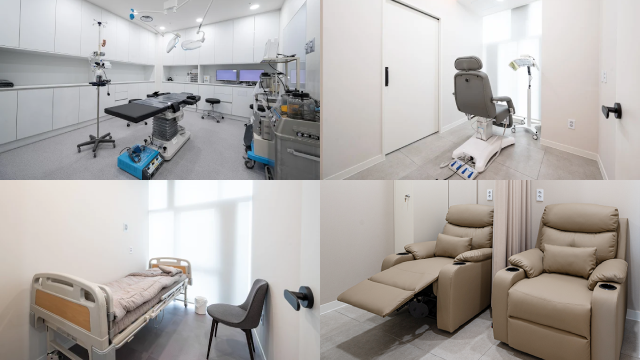
Beyond surgical technique, the safety infrastructure of a clinic plays an important role in surgical outcomes. Gong Gan Plastic Surgery operates with several hospital-grade systems intended to support patient safety throughout the surgical process, including 3D-CT imaging for pre-surgical structural assessment, operating room monitoring to confirm that procedures are performed by the consulting surgeon, multi-stage sterilization protocols, and real-time monitoring equipment during surgery.
The clinic also follows a continuity-of-care model in which a single director oversees the consultation, surgical planning, procedure, and recovery process, which can help reduce communication gaps between stages of treatment. This model is particularly relevant for rhinoplasty, where the surgeon's familiarity with the original surgical plan can make a meaningful difference in how follow-up concerns, such as residual asymmetry or swelling, are evaluated and addressed.
Recovery Timeline and Realistic Outcomes
Recovery from nose surgery varies by individual and procedure complexity, but general patterns include:
- Initial swelling and bruising in the first one to two weeks
- Splint or cast removal typically within the first week, depending on the technique used
- Gradual resolution of swelling over several weeks, with subtle refinement continuing for months
- Final structural settling that may take up to a year in more complex cases, particularly when significant cartilage grafting was performed
During the early recovery period, patients are generally advised to sleep with the head elevated, avoid bending over or lifting heavy objects, and minimize activities that could risk impact to the nose. Most patients can return to non-strenuous daily activities within one to two weeks, while more vigorous exercise is typically postponed for several weeks longer.
It is important for patients to understand that rhinoplasty results develop gradually, and visible swelling in the early weeks does not reflect the final outcome. The tip of the nose, in particular, often retains some swelling longer than the bridge, meaning final tip definition may not be fully apparent for several months. Surgeons generally recommend avoiding strenuous activity, sun exposure, and pressure on the nose during the initial healing period to support proper structural settling.
Final Considerations
Nose surgery can address both functional and aesthetic concerns, but outcomes depend heavily on accurate diagnosis, individualized planning, and structurally sound surgical technique. Because the nose plays such a central role in facial balance, even modest structural adjustments require careful planning to ensure the result is proportionate to the rest of the face.
Patients considering rhinoplasty are encouraged to seek a thorough consultation that includes detailed anatomical assessment, a clear discussion of realistic expectations, and transparency about the surgical approach being recommended, including which graft materials may be used and why. Asking about the surgeon's experience with both primary and revision cases, as well as the clinic's safety and imaging infrastructure, can also help patients make a well-informed decision suited to their specific facial structure and goals.
More Articles
Continue reading our clinical guides.
Guide to Nose Surgery: Procedure Basics Explained
Guide to nose surgery: Discover procedure basics, preparation, recovery, and expected results. Learn what to expect and explore your options today.
Learn More

What to Know Before Eye Surgery
What to know before eye surgery: Learn about preparation, risks, recovery, and what to expect for a safer, more confident procedure. Read more today.
Learn More

How Facelift & Lifting Helps Restore a Youthful Look
Discover how facelift and lifting procedures help restore a youthful look by reducing sagging and enhancing facial contours. Learn more today.
Learn More