17+ Years of Personalized Eye, Nose & Lifting Plastic Surgery in Gangnam, Seoul


Medical Guide
How Facelift & Lifting Helps Restore a Youthful Look
Discover how facelift and lifting procedures help restore a youthful look by reducing sagging and enhancing facial contours. Learn more today.
Schedule a ConsultationUnderstanding Facial Aging and Common Concerns

Facial aging is a gradual process involving several layers of tissue, not just the surface of the skin. Over time, the deeper structural layer of the face, including connective tissue and the muscles beneath the skin, loses elasticity and begins to descend. This is often accompanied by volume loss in the cheeks and temples, which can make sagging more pronounced. Common concerns that lead patients to consider facelift and lifting procedures include sagging along the jawline and lower face, deepening nasolabial folds, loss of cheek volume and definition, a heavy or drooping appearance in the lower face and neck, and persistent forehead lines or a low, heavy brow that contributes to a tired look.
Because these changes occur across multiple tissue layers, addressing them effectively generally requires more than surface-level treatment. At Gong Gan Plastic Surgery, located on the 15th floor of Sinsa Mi Tower at 616 Gangnam-daero, Gangnam-gu, Seoul, facelift and lifting procedures are approached with attention to the structural layer beneath the skin, with the goal of producing a result that looks refreshed rather than visibly altered.
What Facelift and Lifting Procedures Involve
Facelift and lifting procedures cover a range of techniques, each addressing different areas and depths of facial aging:
- Full facelifts — address sagging in the lower face, jawline, and neck by repositioning deeper tissue layers, not just tightening skin
- Mini-lifts — target more limited areas, such as the lower face or jawline, for patients with earlier-stage sagging
- Endoscopic forehead lifts — address forehead lines and brow position through small incisions, using an endoscopic camera to minimize visible scarring
A central principle in modern lifting surgery is that long-lasting results depend on addressing the structural layer beneath the skin, rather than simply removing excess skin. When sagging is corrected only at the skin level, the underlying tissue can continue to descend over time, which may cause the results to look less natural or to relapse more quickly. By contrast, repositioning the deeper supportive tissue allows the skin to be re-draped with less tension, which can support both a more natural appearance and a more durable outcome.
Incision Placement and Scarring
Incision placement is an important consideration in facelift planning. Incisions are typically placed along natural hairlines and the contours of the ear, where resulting scars are generally well concealed once healed. For forehead lifts, the endoscopic approach uses small incisions hidden within the hairline, which can reduce visible scarring compared to more extensive open techniques.
Customization Based on Individual Aging Patterns
No two patients age in exactly the same way, and a treatment plan that works well for one person's facial structure may not be appropriate for another's. Some patients experience more pronounced volume loss, while others primarily notice skin laxity or jawline sagging. For this reason, a tailored approach is generally considered important, taking into account a patient's specific skin elasticity, the degree of volume loss in the midface, and the pattern in which sagging has developed, in order to design a plan suited to that individual's anatomy rather than a standardized approach.
Who Is a Suitable Candidate
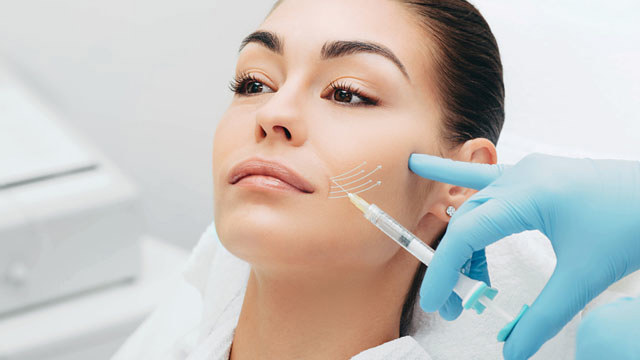
Facelift and lifting procedures are not appropriate for everyone in the same way, and candidacy depends on the degree of aging present, skin quality, and overall health. Generally, suitable candidates include those who:
- Are in good general health with no uncontrolled medical conditions that could affect healing
- Have noticeable sagging in the lower face, jawline, neck, or forehead that has not responded to non-surgical options
- Have realistic expectations about the type of improvement that surgery can provide
- Are seeking a structural solution rather than a temporary one
- Do not smoke , or are willing to pause smoking during the recovery period, since smoking can affect circulation and healing
Patients with earlier-stage sagging and good skin elasticity may be better suited to a mini-lift, while those with more advanced changes across the lower face and neck may require a more comprehensive full facelift. A thorough consultation is necessary to determine which approach, or combination of approaches, is appropriate for a given patient's anatomy and aging pattern.
The Surgical Process: What to Expect
Initial Consultation and Facial Assessment
The process begins with a detailed evaluation of skin elasticity, the degree of structural descent, volume distribution, and any asymmetries present. The surgeon also considers how the lower face, midface, and forehead relate to one another, since aging in one area often affects the appearance of adjacent areas.
Surgical Planning
Based on this assessment, a customized plan is developed, which may involve a single technique, such as a full facelift, or a combination of approaches, such as a facelift paired with an endoscopic forehead lift, depending on which areas show the most significant changes.
The Procedure
Facelift and lifting procedures are typically performed under appropriate anesthesia, with incision placement and technique depending on the areas being addressed. Procedures involving deeper structural repositioning generally take longer than skin-only approaches, and surgical time can range from two to several hours depending on the extent of the work involved.
Post-Operative Care
Following surgery, patients typically receive guidance on swelling management, incision care, and a follow-up schedule to monitor healing and confirm that tissue is settling into its intended position.
The Role of the Surgeon's Expertise
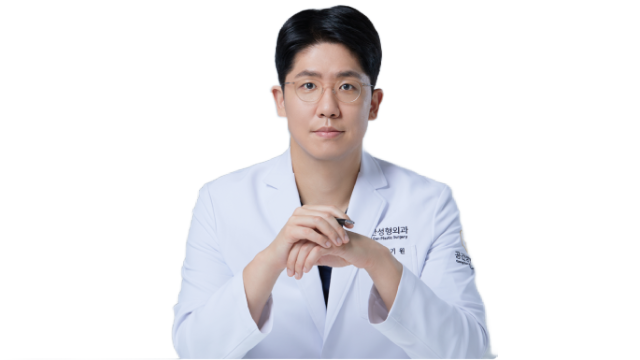
Facelift surgery requires a detailed understanding of facial anatomy across multiple tissue layers, including the position of facial nerves, which must be carefully avoided during deeper structural work. At Gong Gan Plastic Surgery, procedures are led by Chief Director Dr. Kiweon Ham , a board-certified plastic surgeon with 17 years of clinical experience. Dr. Ham is an alumnus of Yonsei University College of Medicine, completed his internship and residency at Severance Hospital, and pursued additional clinical training in the United States at the University of California San Diego Medical Center and the University of Pittsburgh Medical Center. He holds academic membership with the Korean Society of Plastic and Reconstructive Surgeons and the Korean Society for Aesthetic Plastic Surgery.
This level of training is particularly relevant to facelift surgery, where precise handling of the deeper tissue layer is necessary to achieve a natural, long-lasting result while minimizing risk to surrounding structures.
Hospital Infrastructure and Safety Considerations
Given the more extensive nature of facelift and lifting procedures compared to other facial surgeries, hospital-grade safety infrastructure is an important consideration. Gong Gan Plastic Surgery operates with systems including 3D-CT imaging for pre-surgical structural assessment, operating room monitoring to confirm that the consulting surgeon performs the procedure, multi-stage sterilization protocols , and real-time vitals monitoring during surgery.
The clinic also follows a continuity-of-care model in which a single director oversees the consultation, surgical planning, procedure, and recovery process. This consistency can be particularly valuable for facelift patients, since recovery is typically more gradual than for smaller procedures, and follow-up assessment benefits from a surgeon's familiarity with the specific structural work performed.
Recovery Timeline and Realistic Outcomes
Recovery from facelift and lifting procedures varies depending on the extent of surgery, but general patterns include:
- Swelling and bruising in the first one to two weeks, often more pronounced than with smaller procedures
- Stitch removal or incision care milestones typically within one to two weeks
- Gradual resolution of swelling over several weeks, with the face continuing to settle over the following months
- Final results that may take three to six months to fully appear, as deeper tissue settles into its new position
Patients are generally advised to keep the head elevated, avoid strenuous activity, and limit sun exposure to incision areas during the initial healing period. It is important to understand that facelift results are not intended to halt aging entirely, but rather to address existing structural sagging at the time of surgery; the face will continue to age naturally afterward, though typically from a more favorable starting point.
Final Considerations
Facelift and lifting procedures can provide a meaningful, structurally based improvement for sagging and volume loss that have not responded to non-surgical treatments, but outcomes depend on accurate assessment of the individual's aging pattern, appropriate technique selection, and careful attention to the deeper tissue layers involved. Patients considering these procedures are encouraged to seek a thorough consultation, ask how the surgical plan addresses both skin and structural layers, and discuss the surgeon's experience with similar cases before proceeding.
More Articles
Continue reading our clinical guides.

Guide to Nose Surgery: Procedure Basics Explained
Guide to nose surgery: Discover procedure basics, preparation, recovery, and expected results. Learn what to expect and explore your options today.
Learn More

What to Know Before Eye Surgery
What to know before eye surgery: Learn about preparation, risks, recovery, and what to expect for a safer, more confident procedure. Read more today.
Learn More
How Facelift & Lifting Helps Restore a Youthful Look
Discover how facelift and lifting procedures help restore a youthful look by reducing sagging and enhancing facial contours. Learn more today.
Learn More